 Book
Book7 min read
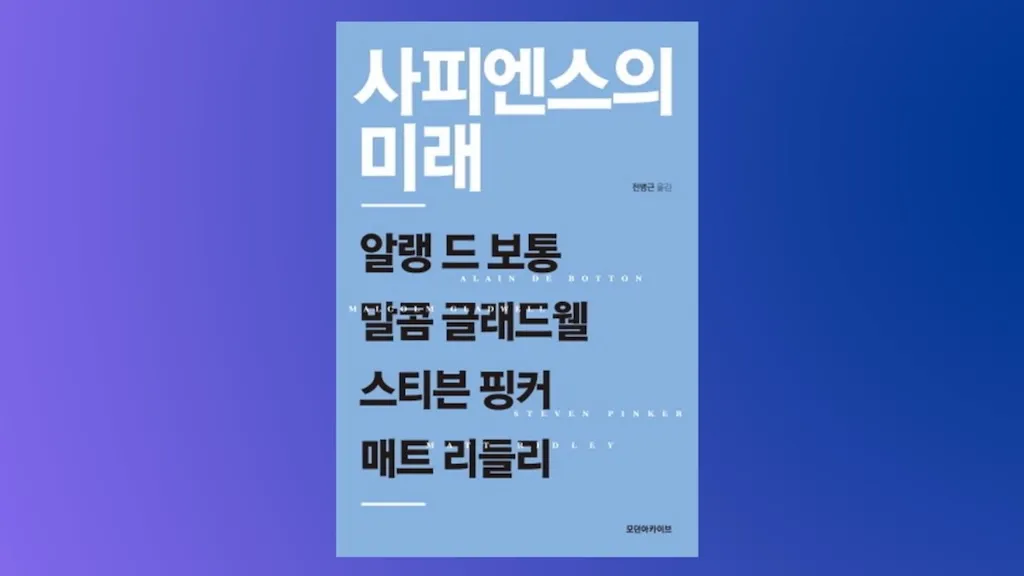
Thoughts on <DO HUMANKIND'S BEST DAYS LIE AHEAD>
amid these days so full of AI-driven FOMO, to consider what kind of future for humankind we ourselves hope for.
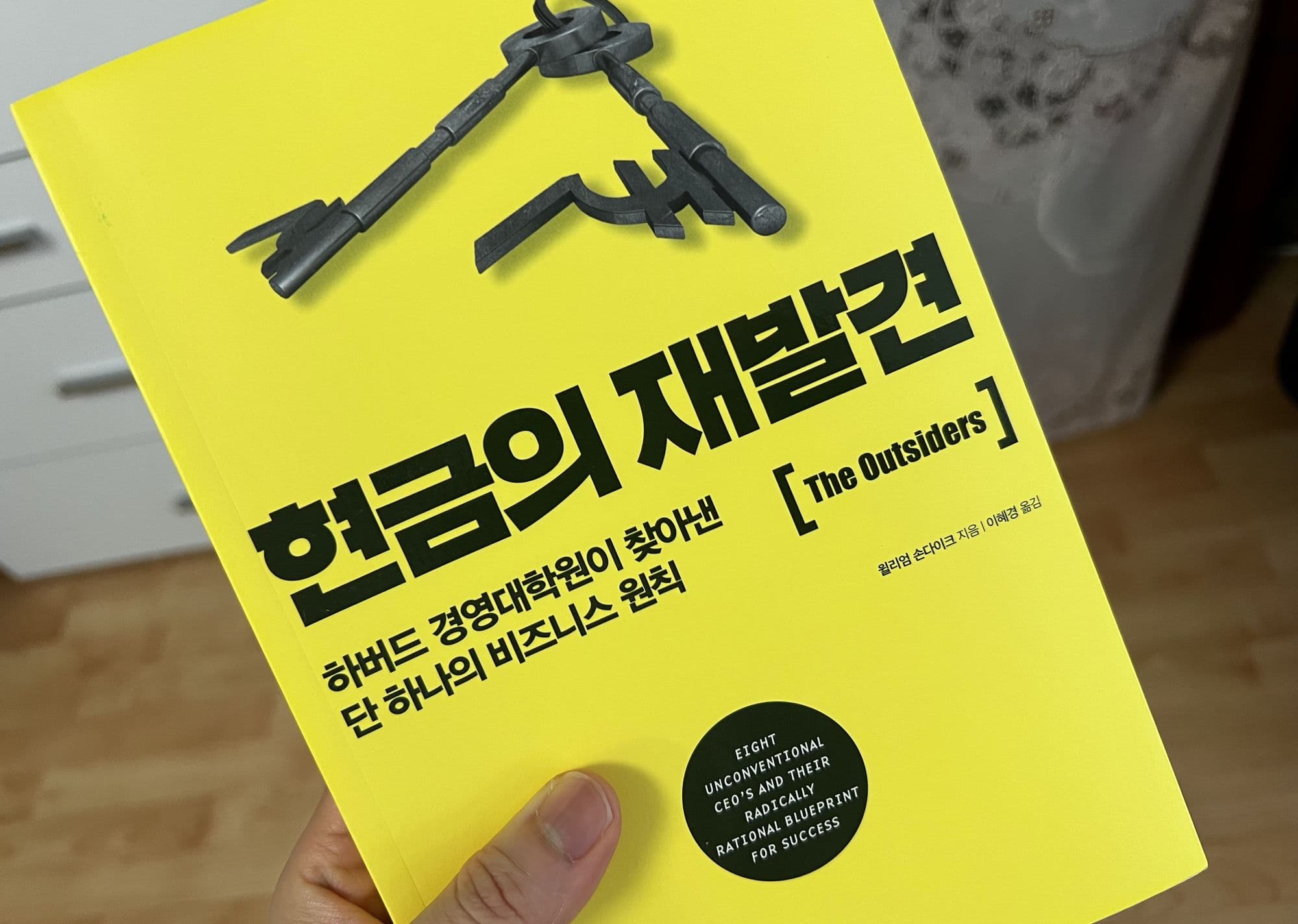
I don't remember who it was, but I saw someone recommend this book and kept it in my online bookstore cart for a while. I hoped it might add to my wisdom on a recent area of interest: 'cash, currency, and money.'
Author William Thorndike — a professional investor who also lectures at Harvard and Stanford MBA programs — argues that CEOs, like professional athletes, compete in domains that can be measured numerically. Just as a baseball pitcher's ERA or a batter's average measures performance, a CEO's performance is evaluated by the company's per-share value growth rate. To measure this, only three things need to be quantified: first, the average annual return shareholders earned during the CEO's tenure; second, the stock returns of peer companies over the same period; and third, the overall stock market return as measured by the S&P 500.
Over nine years with Harvard MBA students, the author reviewed the financial data of more than 1,000 companies and conducted over 100 interviews to identify eight contrarian CEOs who generated the highest per-share value growth rates. I'm simply grateful that this book allows me to absorb nearly a decade of their effort in just a few hours. The primary value of this book is learning the common traits extracted from these contrarian CEOs. As the title The Outsiders suggests, what these norm-defying CEOs excelled at was 'capital allocation.' Capital allocation alone may not convey enough — let me go one level deeper. What a CEO who excels at capital allocation does is make decisions guided by these principles:
The eight contrarian CEOs who embodied these qualities are listed below. Before reading this book, I was unfamiliar with most of these companies and names. True masters operate quietly, out of the spotlight, steadily producing extraordinary results. If you're curious about each of their individual personalities and stories, I'd strongly recommend reading this book.
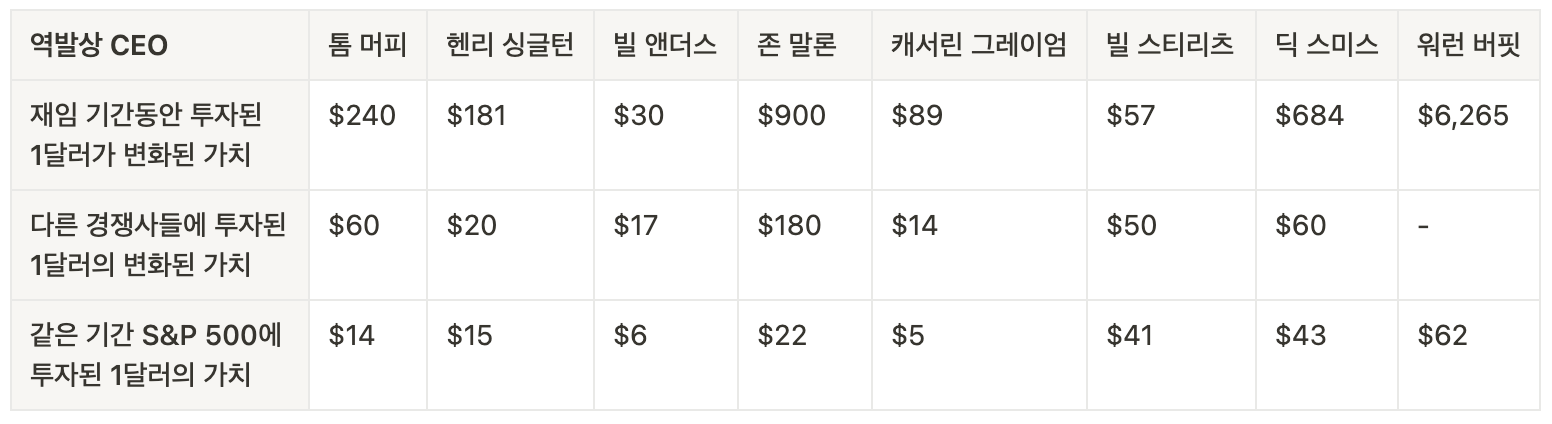
The contrarian CEOs' results, confirmed in numbers
While reading, I took notes on countless phrases I want to internalize as my own 'disposition' as a future entrepreneur or investor. Rather than listing them all here, I'll close the book overview with a few direct quotes:
If you're on a boat with a chronically leaking hull, the energy you spend patching the leak is likely to be less productive than the energy you spend switching to a new boat. — Warren Buffett
In both insurance and investing, Buffett believed the key to long-term success was 'temperament' — the disposition to 'be fearful when others are greedy, and greedy when others are fearful.'
"Without the ability to do independent analysis, CEOs get led around by bankers and CFOs." "Leadership comes from analysis." — Stiritz
(If a CEO is like a train engineer) The goal isn't to build the longest train — it's to arrive at the destination first, using the least fuel. — Murphy
Around halfway through the book, I wondered whether its contents — Harvard talent writing about eight examples of large public companies — might feel too remote from my own situation. But on reflection, whether it's a team of five or a corporation of 50,000, sound capital allocation is essential for steering any independent entity — a company, organization, or group — well. And in either case, the person who must do that work is the CEO.
This wasn't the book I'd expected — one that would deepen my understanding of cash as currency — but I gained something unexpectedly valuable. In the end, what matters isn't charisma or marketing: it's acquiring the same relative advantages that made these contrarian CEOs so remarkable. That's not intelligence; it's temperament. It's the capacity to make insightful decisions, combined with frugality and patience — which may look like old-fashioned virtues — along with independence and (occasional) boldness, rationality and logic.
To carry forward the momentum from this book, I plan to pick my next read from books about corporate cash flow and financial wisdom.
Bookamid these days so full of AI-driven FOMO, to consider what kind of future for humankind we ourselves hope for.
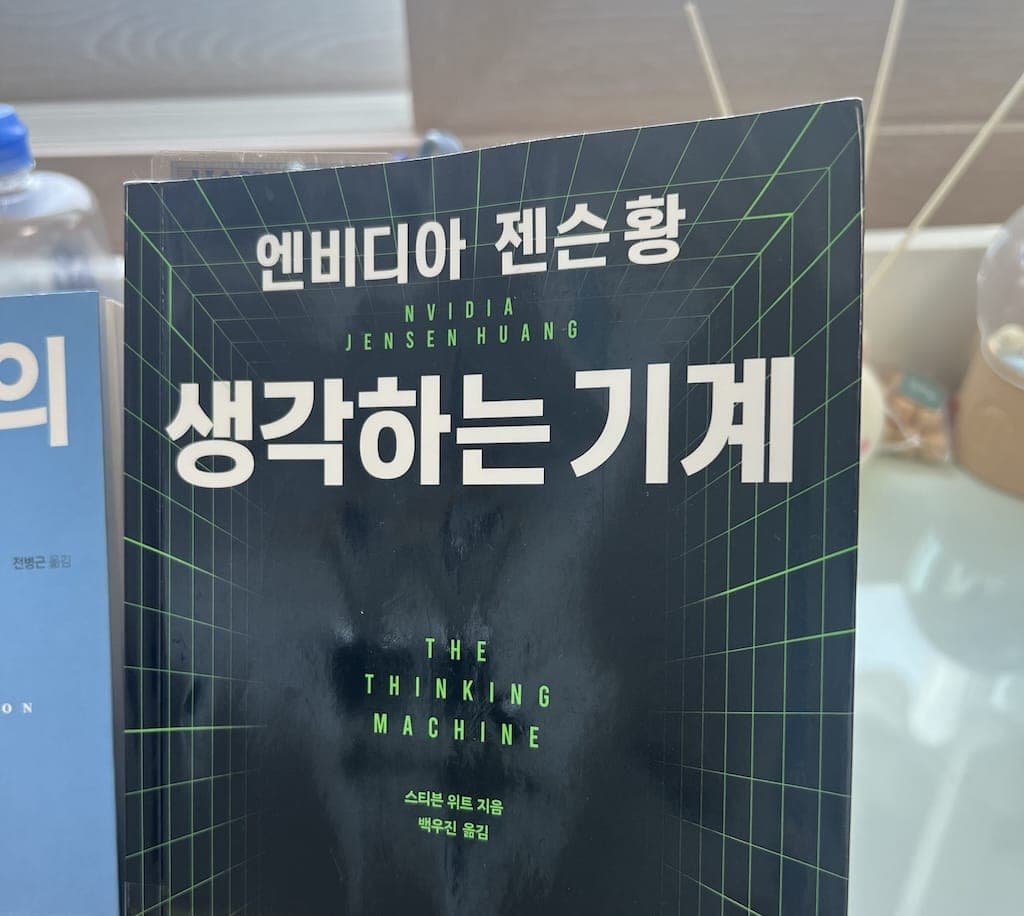 Book
Book Book
BookAs I've been getting more into tennis lately, the book <The Inner Game of Tennis> that I read about two and a half years ago came back to mind. When I first read it, I didn't know much about tennis, so I felt like I only understood about 30% of its message. Even so, the book's message about "relaxed concentration" was helpful for life in general — and with renewed passion for tennis, I was curious how differently it would resonate the second time.