 Book
Book7 min read
Thoughts on <DO HUMANKIND'S BEST DAYS LIE AHEAD>
amid these days so full of AI-driven FOMO, to consider what kind of future for humankind we ourselves hope for.
Category
I believe reading is the gateway to unlocking knowledge and wisdom. I document this transformative journey here.
Bookamid these days so full of AI-driven FOMO, to consider what kind of future for humankind we ourselves hope for.
 Book
Book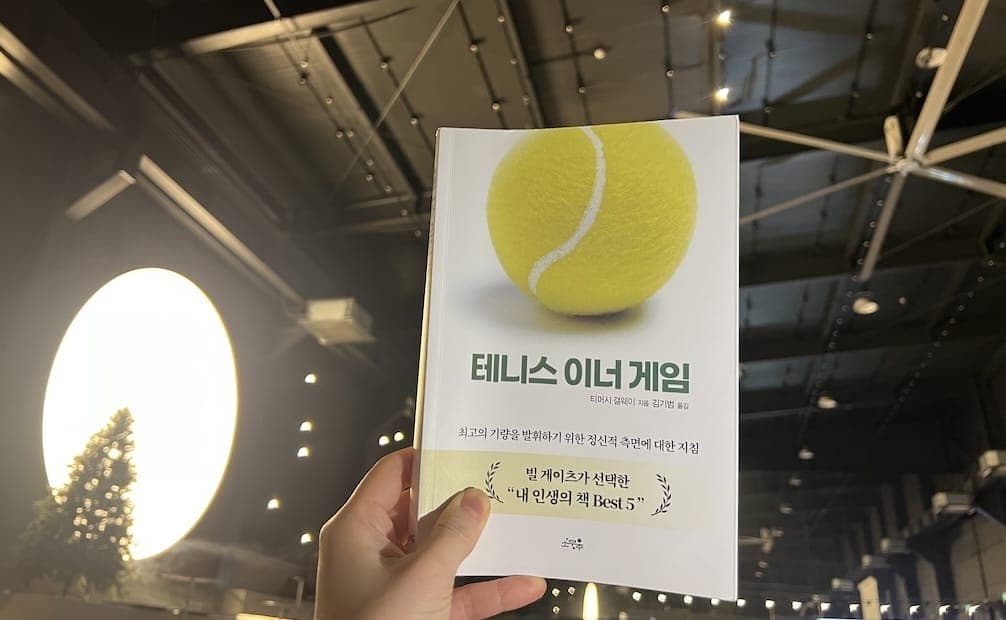 Book
BookAs I've been getting more into tennis lately, the book <The Inner Game of Tennis> that I read about two and a half years ago came back to mind. When I first read it, I didn't know much about tennis, so I felt like I only understood about 30% of its message. Even so, the book's message about "relaxed concentration" was helpful for life in general — and with renewed passion for tennis, I was curious how differently it would resonate the second time.
 Book
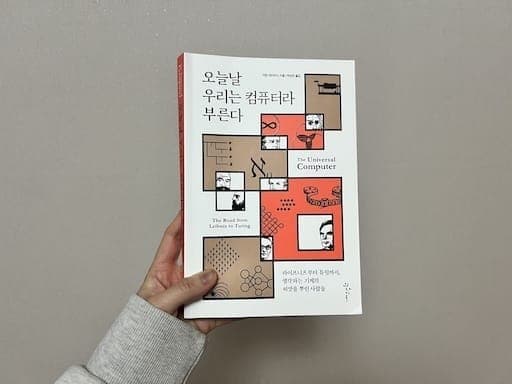
BookA channel I deeply respect recommended this book, so I bought and read it after a long time of buying books directly. I had high expectations — the recommendation came with a note that anyone interested in computers, artificial intelligence, and mathematics would find it fascinating. But honestly, I don't think I properly understood even 50% of the content. What the book left me with, though, was a much richer sense of what a computer is — not as hardware, but as an idea born from the pursuits of generations of geniuses.
 Book
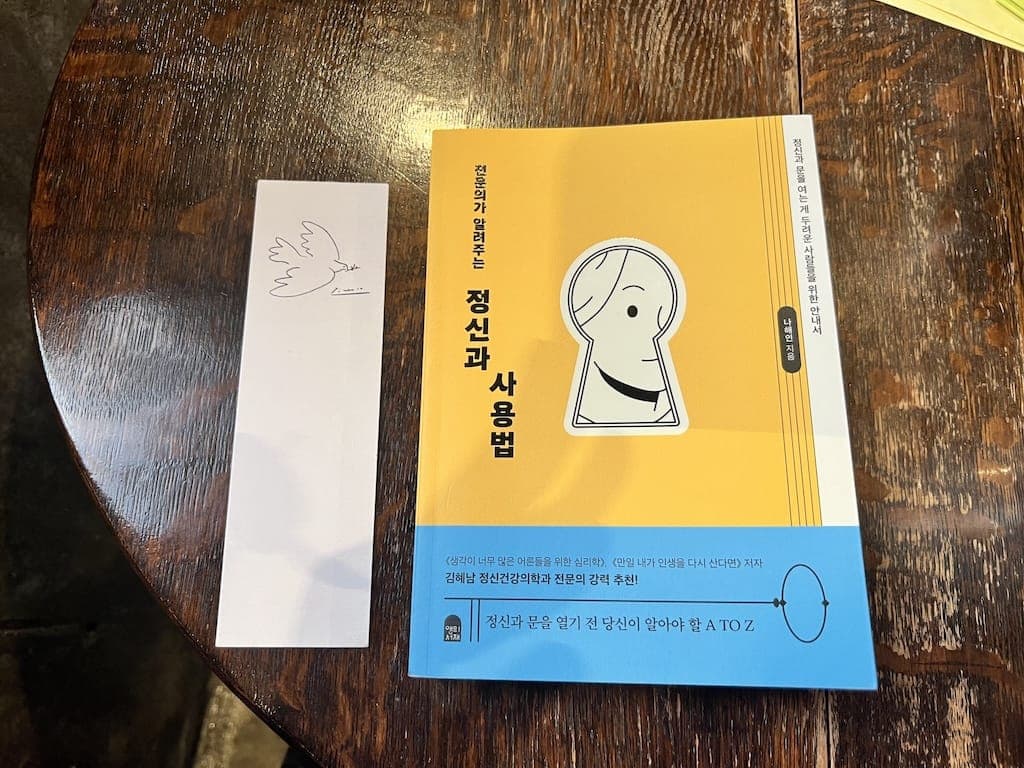
BookEarly this year, an acquaintance who is a psychiatrist sent me a KakaoTalk message saying they had good news — they had published a book they'd written themselves. Reading it, the most helpful thing I got was realizing that I, too, had been keeping psychiatry at quite an emotional distance — and coming to see it as a place where I can seek help if I need it.
 Book
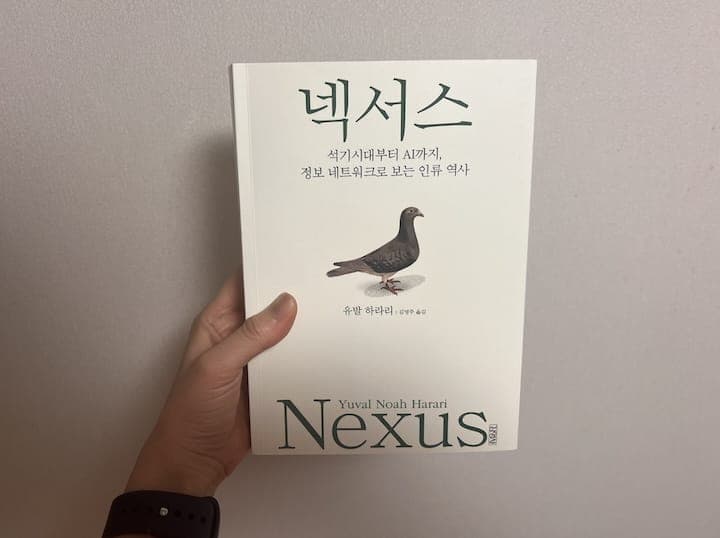
BookYuval Harari has been a favorite author of mine since <Sapiens> — I find his macro-level interpretations of humanity's past, present, and future both fascinating and fresh. In <Nexus>, Harari discusses what AI means in the context of humanity's long history of expanding information networks, and where we should be heading. As someone who increasingly feels AI working its way deeper into daily life, I find this genuinely compelling.
 Book
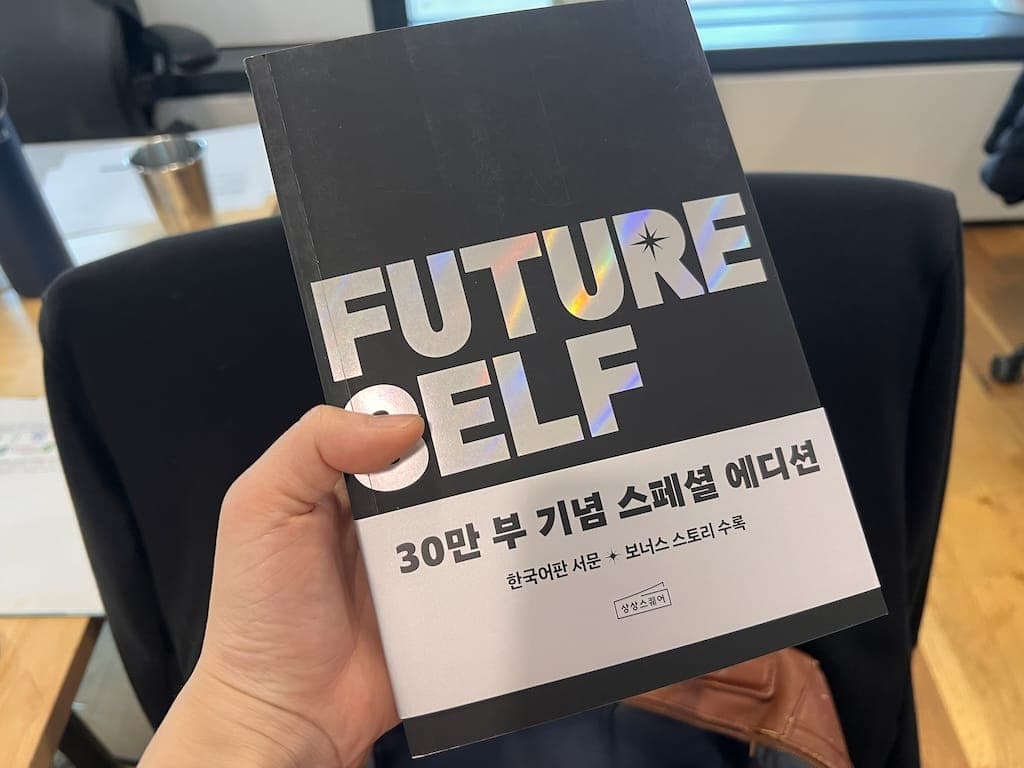
BookWhile reading <Future Self>, I vividly imagined myself 6 months, 1 year, and 3 years from now — and noticed that all three timeframe goals involved directly selling assets, products, or services with my own hands. It also reminded me of something I'd always felt frustrated by at work: "I don't know how to sell well." I picked up this book because I want to become someone who knows how to sell.
 Book
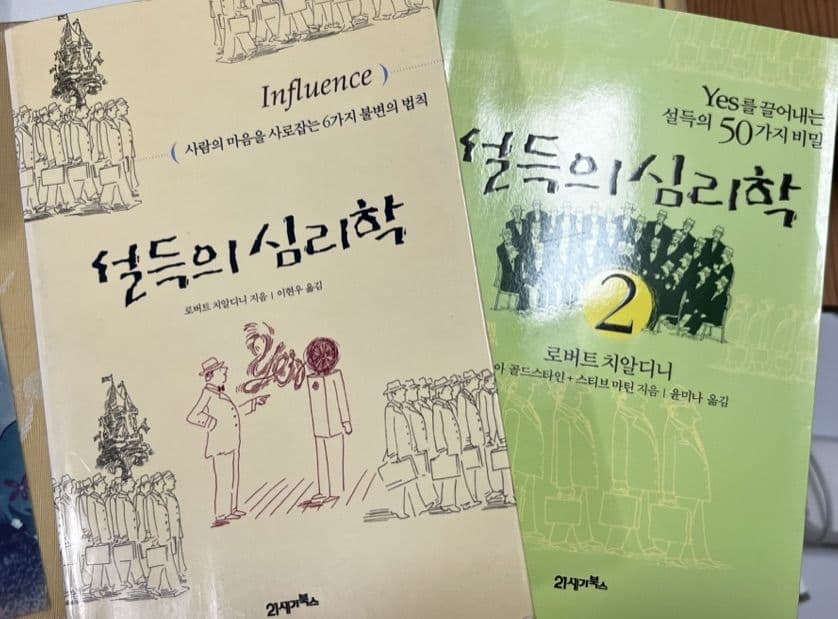
BookAround the time I was beating myself up for failing to keep up with my reading goal for the year, a friend surprised me with this book as a gift. More than anything, I was curious what kind of book someone whose advice I deeply trust would recommend — so I read it quickly. It's a self-help book that uses psychology to argue more persuasively, helping you shift perspective through your "future self" to understand how to change your present.
 Book
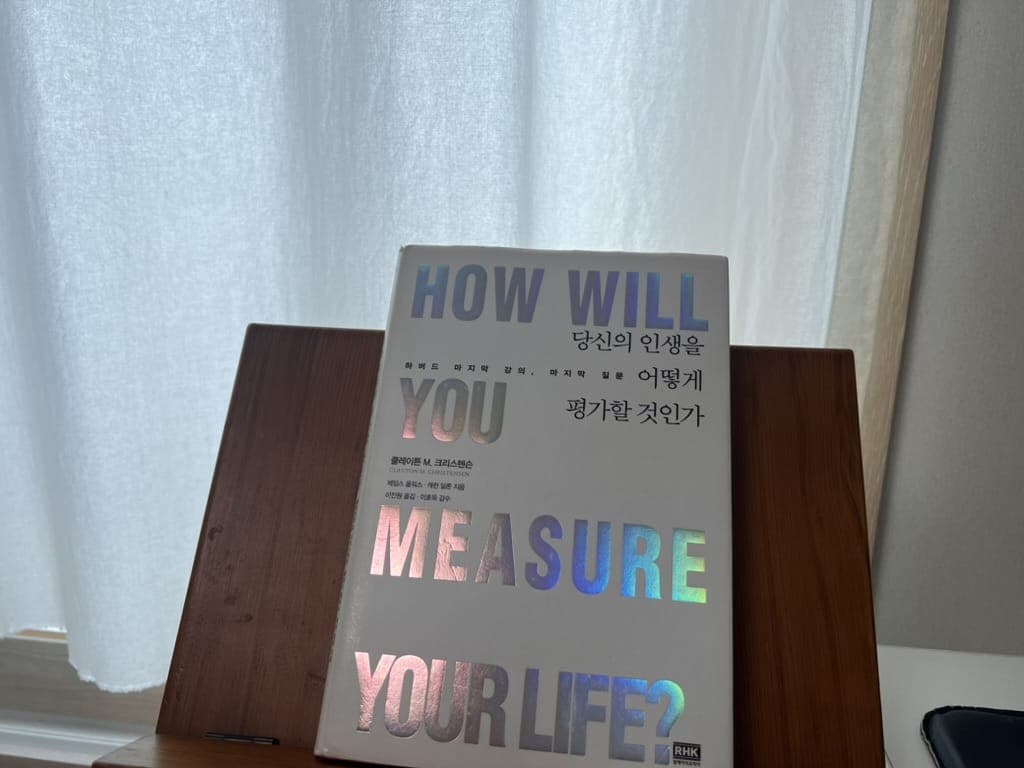
BookAs I set my New Year's resolutions for 2025, I committed to making this a year that feels more authentically me. That brought to mind Professor Clayton Christensen's <How Will You Measure Your Life?> — a book I wanted to re-read. Perhaps my desire to build this year up steadily, differently from last year when I was buried in short-term concerns, is what summoned this book back to mind.
 Book
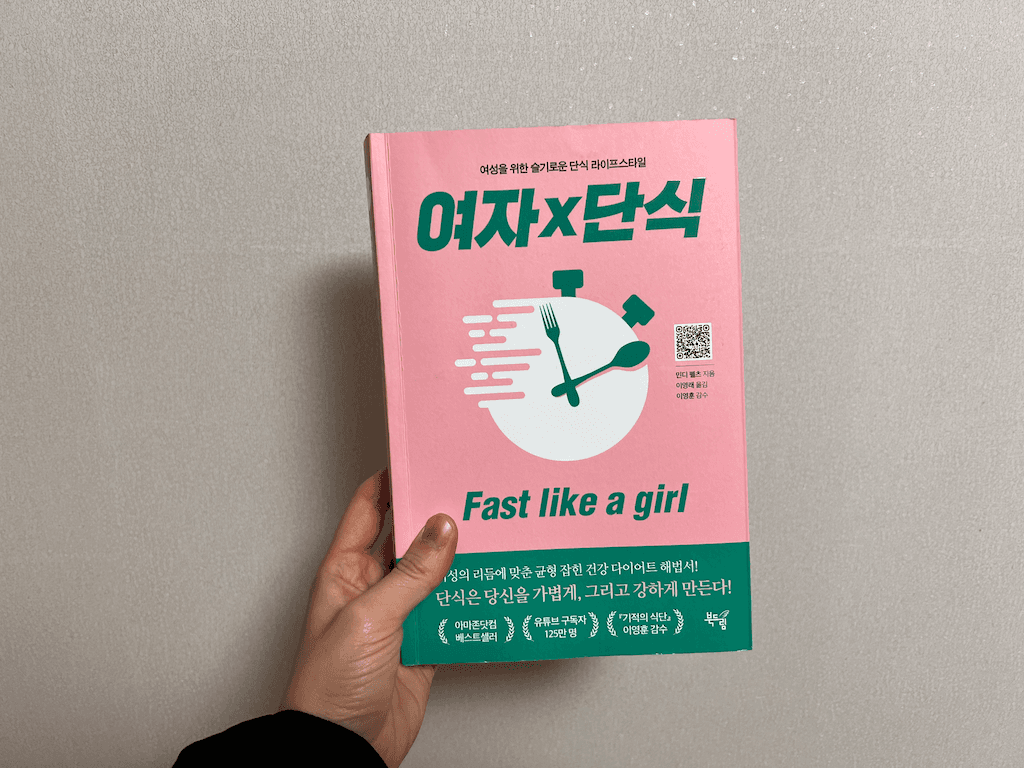
BookHaving heard from many sources that intermittent fasting helps improve physical condition, I started skipping breakfast entirely in September. Since childhood, my parents' philosophy of 'you must eat a hearty breakfast' had made breakfast feel mandatory. But once I dropped it, I had more morning time and the psychological pressure of needing to eat something disappeared — I felt lighter in multiple ways.
 Book
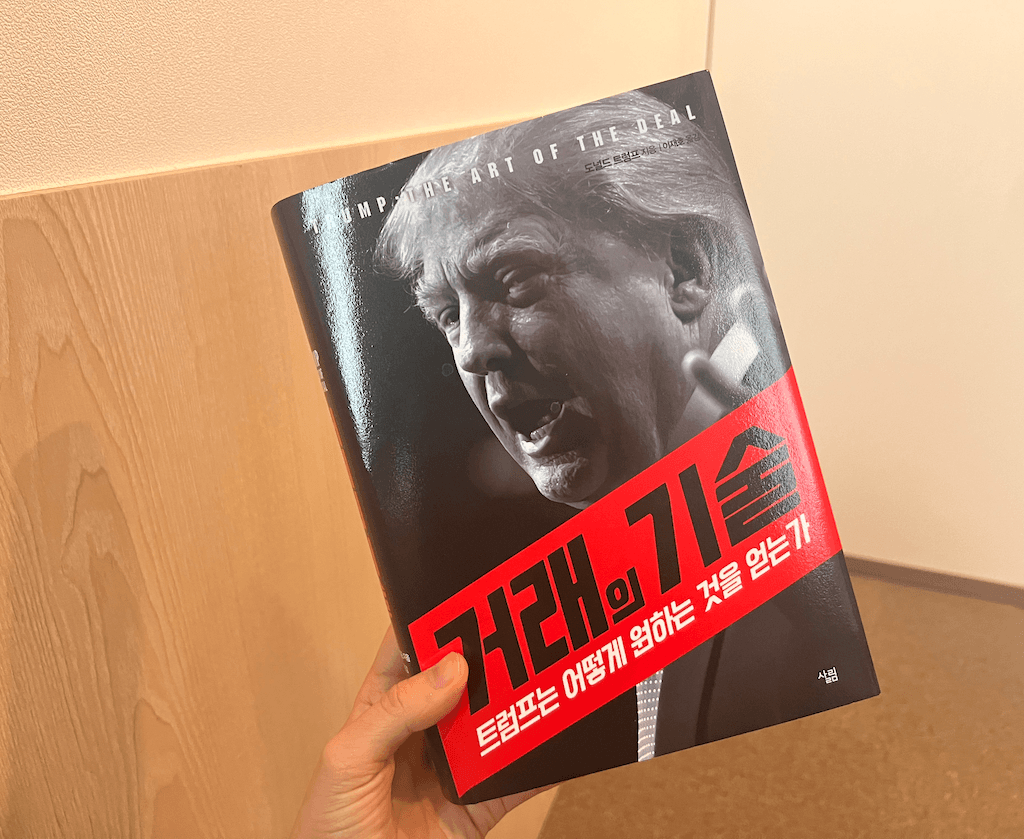
BookEven before the results of this US presidential election came out, I thought it was hard for a Korean to accurately gauge how it would go. When Trump won, I decided I shouldn't just collect information fragments released through the media — I needed to understand what kind of person Trump is through a book written long before, in his own words. The most fitting choice was <The Art of the Deal>, which Trump wrote himself in 1987.
 Book
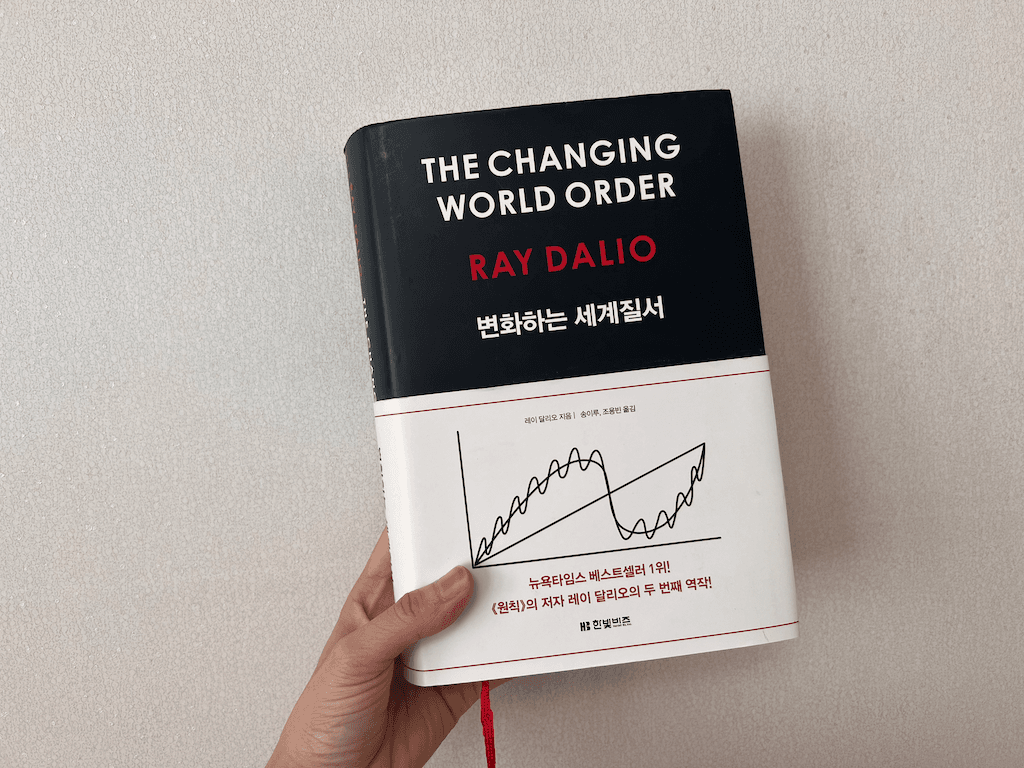
BookI first encountered Ray Dalio's 'The Changing World Order' through an animated video on YouTube a few years ago. I was amazed that 500 years of history could be condensed so easily and engagingly, and felt enormous respect for the author who could produce such content. As my interest — and worry — about international affairs, exchange rates, and economic conditions grew recently, I decided I needed to read the book.
 Book
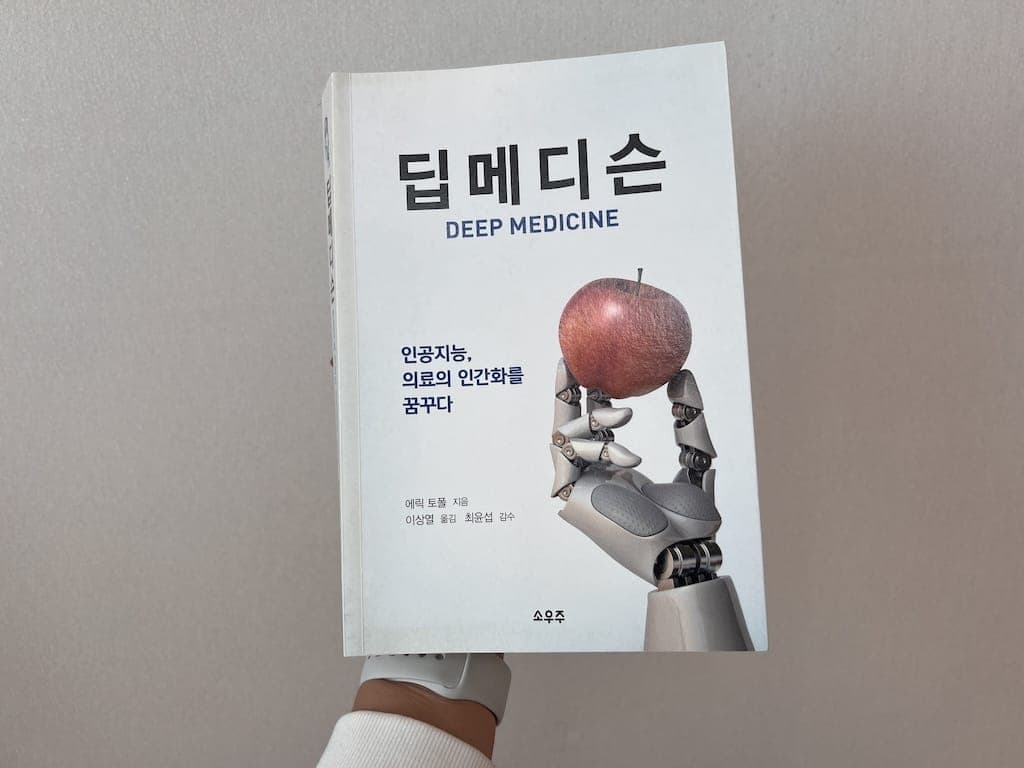
BookIn 2020, as COVID-19 took hold and discussions about telemedicine and AI were everywhere, I first heard about this book through physician friends' Facebook posts. I noted it, forgot it, eventually bought it on a whim — and left it on my bookshelf for over a year. When I grew interested in Korean healthcare AI stocks last year, I decided it was finally time to read it.
 Book
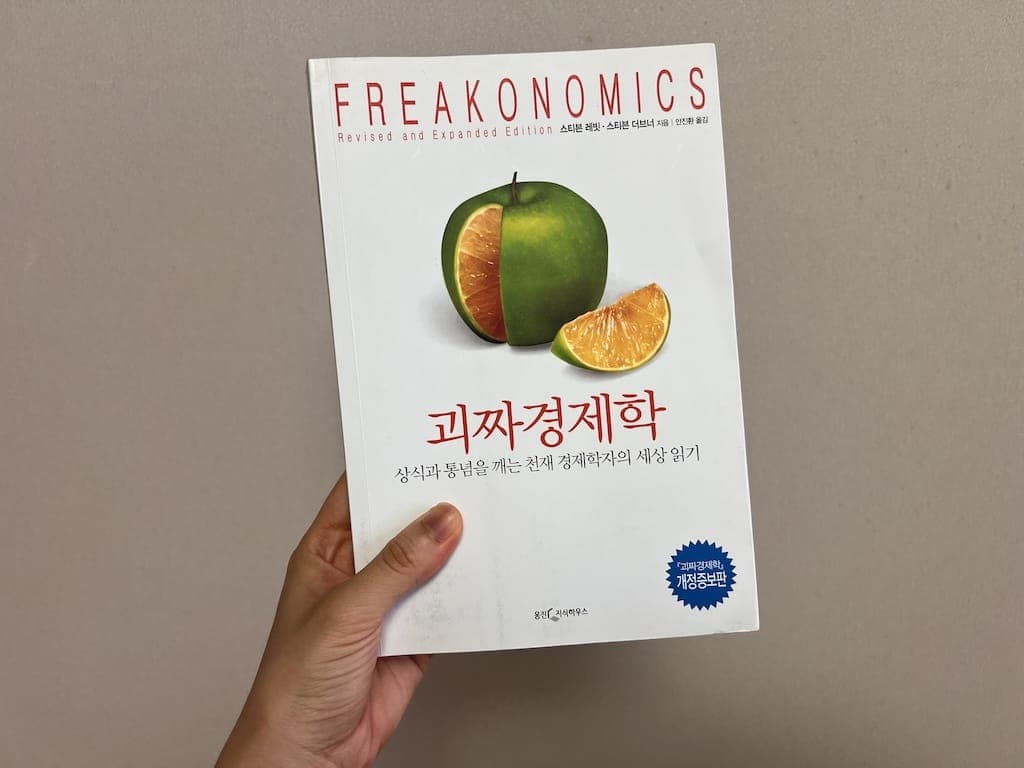
BookThis book is so well-known and cited so frequently in other books that I'd been familiar with the title for ages. Then an American coworker who loves reading mentioned it as one of his most memorable reads — which struck me as interesting, since it seemed to be genuinely famous in the US as well, not just in Korea. That made me finally want to read it.
 Book
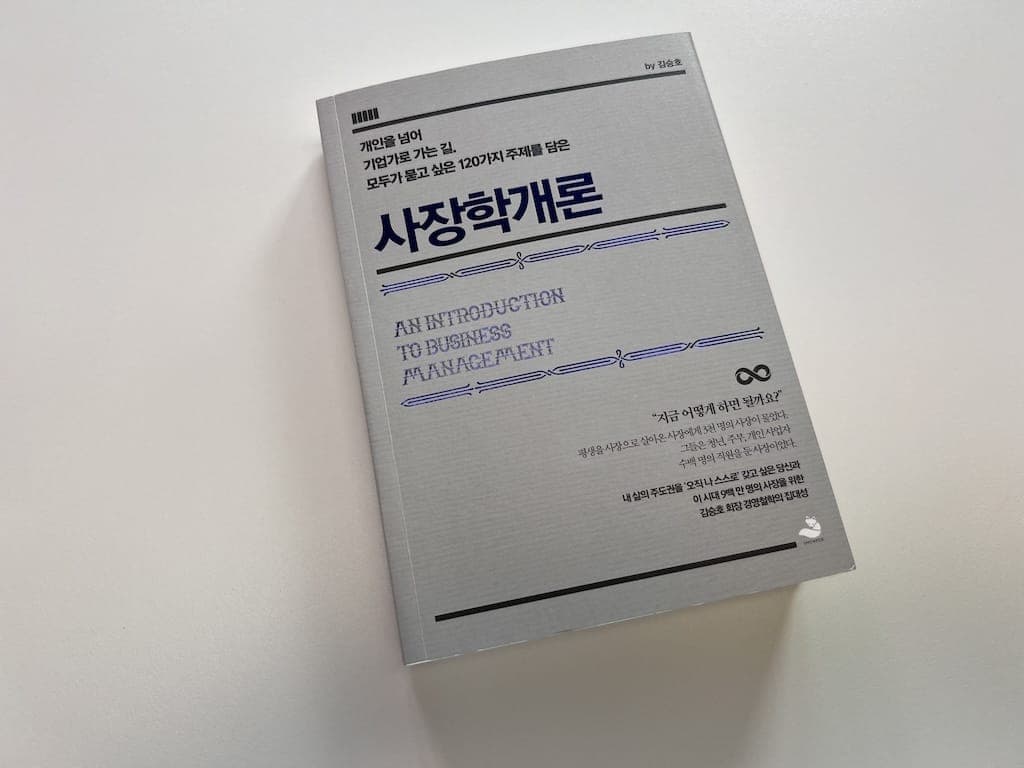
BookI enjoy both giving and receiving books as gifts. A friend gave me this one as a birthday present, and I happily read it. It was a hot summer vacation season, but the book's crisp and breezy writing style let me enjoy reading for the first time in a while.
 Book
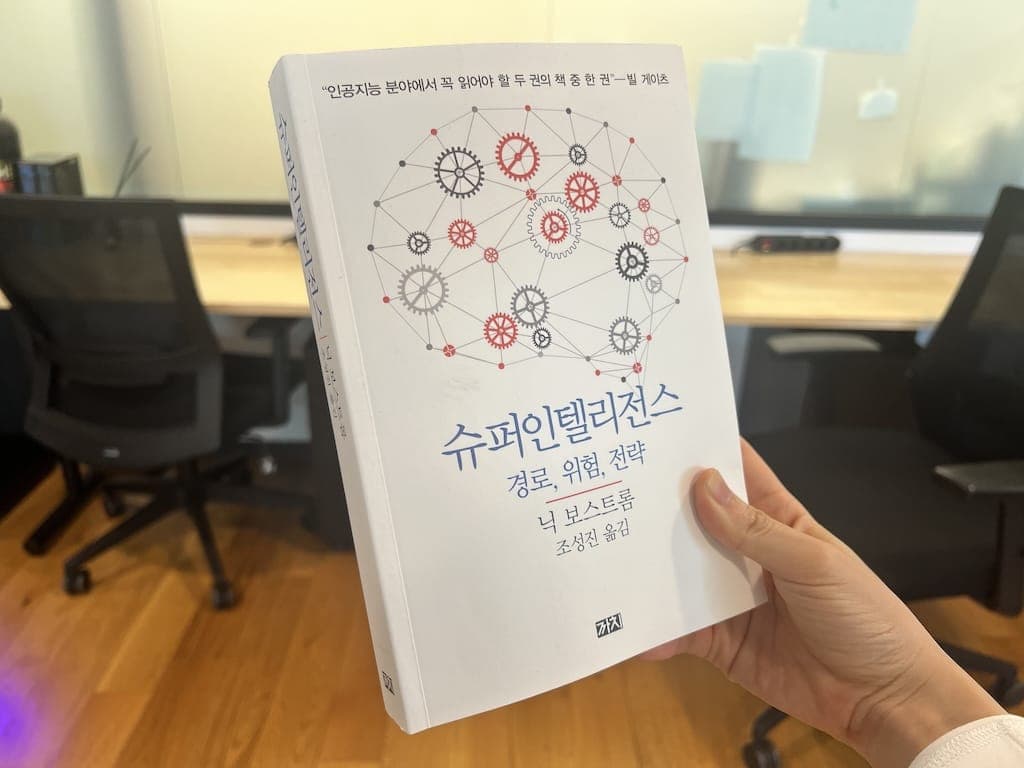
BookWhile reading about the opposing views between Sam Altman and researchers who left OpenAI on the topic of AGI, I noticed a quote: Bill Gates had called this one of two must-read books in the field of AI. Perhaps because of that endorsement — it turned out to be the longest book I have ever read on this blog, taking 13 hours to finish. The author is not an AI developer but Nick Bostrom, a professor of philosophy at Oxford.
 Book
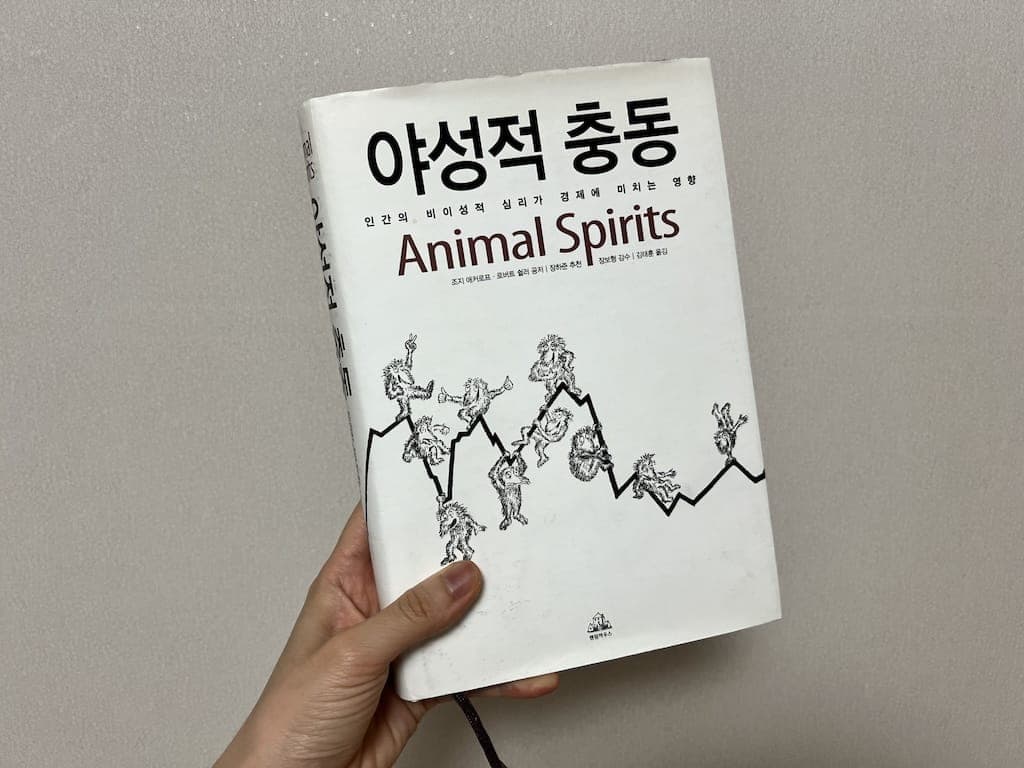
BookThis book has been on my radar since 2013, but it took a full ten years before I finally read it — an embarrassing but personally historic book for me. One of the reasons I finally picked it up is that I've been spending more and more time on crypto and stock investing. The more I watch what people call "the market," the more I feel that human cultural and psychological elements that can't be explained by numbers and theory are actually at the very core.
 Book
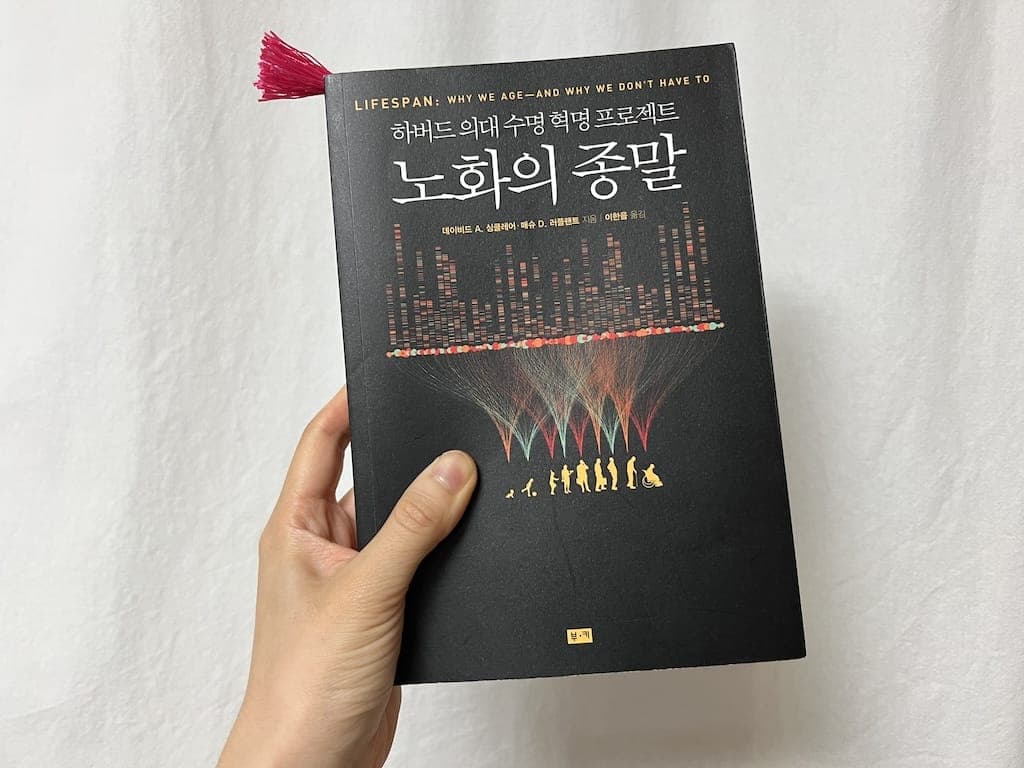
BookI occasionally feel that my stamina and health are different from my early twenties — and above all, I increasingly think that working hard for freedom is pointless if you lose your health while getting there. So my thoughts about what to look after for health have become more serious. While wondering if there was something I could do to bring my fitness up another level, I asked a friend who is far ahead of me in health and joyful living what supplements he takes — and that's how I came to learn about Professor David Sinclair.
 Book
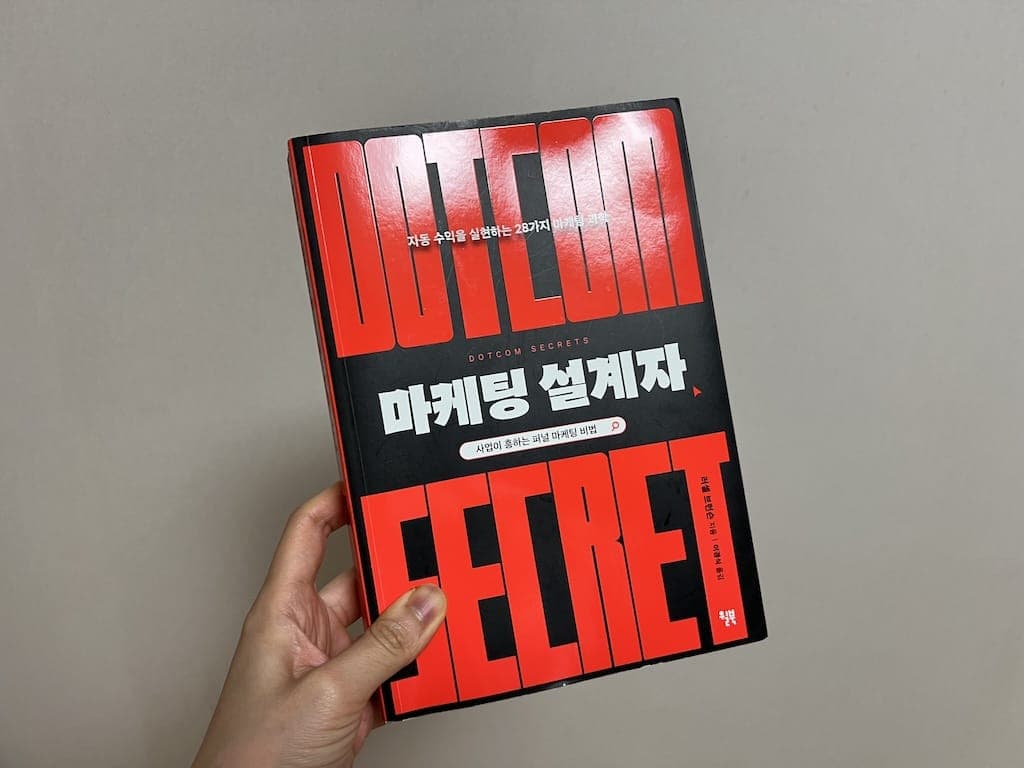
BookSince last year, my work shifted away from launching new products or services to focusing entirely on corporate operations and organizational structure — which brought my interest in marketing down to nearly zero. Already feeling a sense of urgency, I came across a note I'd made about a friend's recommendation while browsing a bookstore one day. I decided to pick it up and rekindle my interest through reading.
 Book
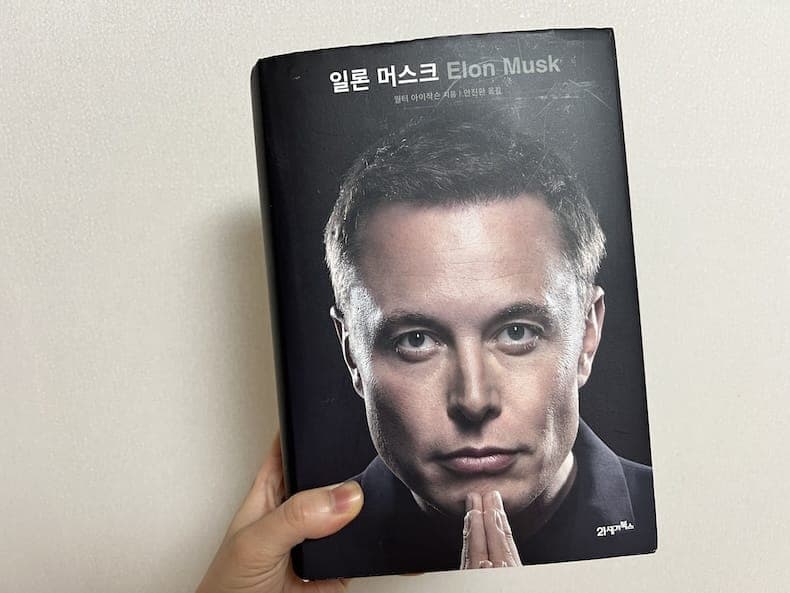
BookIf you were to name the book that became a sensation the moment it was published last year, <Elon Musk> would undoubtedly top the list. Many people around me were reading it, and with constant news about Elon Musk through X.com, Tesla, SpaceX, and Dogecoin, it sat at the very top of my reading list. I wanted to finish it before the year was out, but other things got in the way and I ended up finishing it in the new year.
 Book
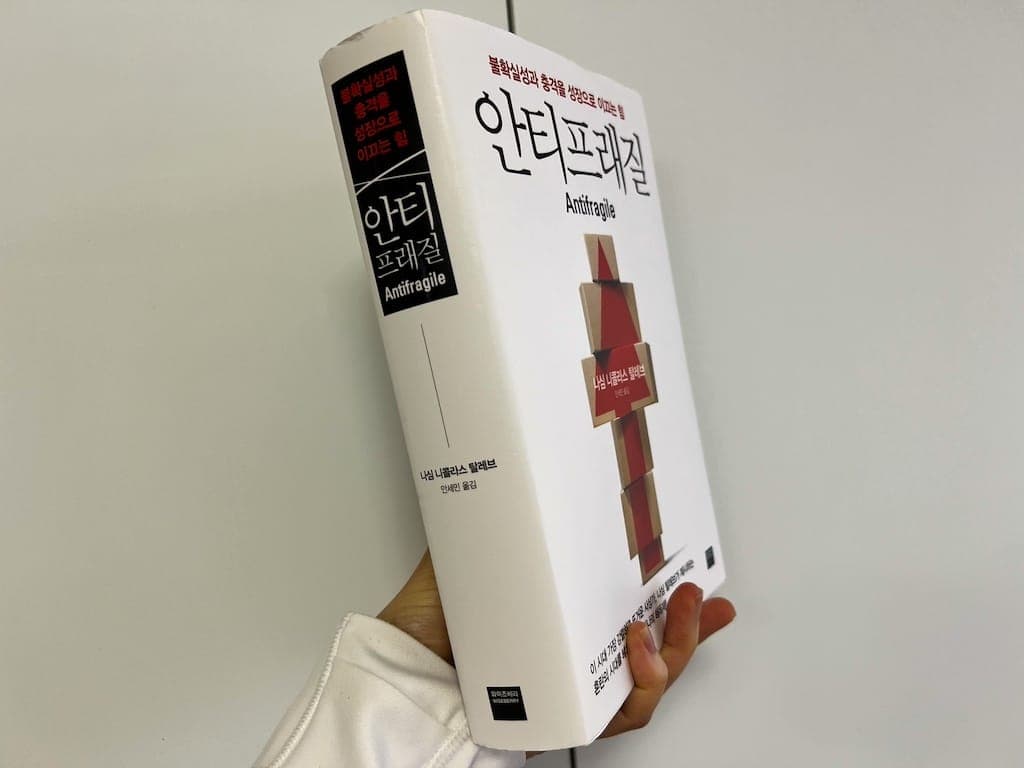
BookSeveral years have passed since I learned about <Antifragile>, a follow-up to <The Black Swan> by Nassim Nicholas Taleb. I had been keeping it in the back of my mind, and finally picked it up with the expectation that its catchphrase — "the force that turns uncertainty and shocks into growth" — might offer exactly what's needed in situations like investing, business, and everyday life.
 Book
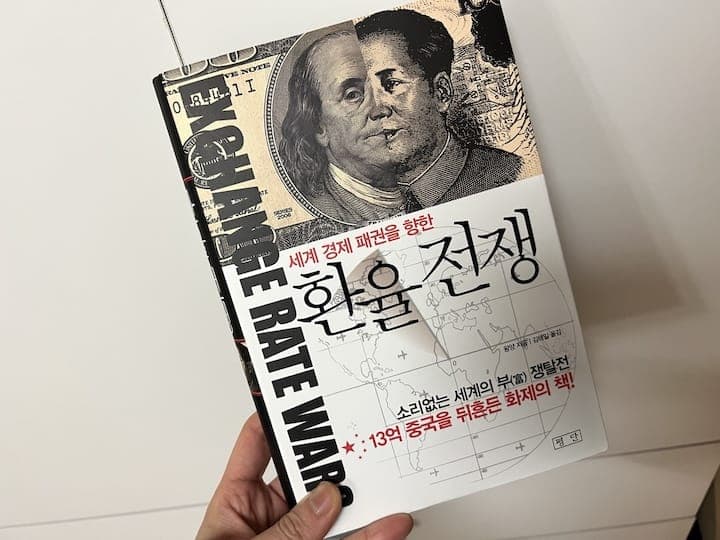
BookWhile researching and writing about 'the future of banking' for a blockchain study group, thinking about currency led me to search for a book that could explore the fundamental nature of money. Exchange rates in particular have been a growing interest since I started generating dollar income a few years ago. This was a book I found genuinely enjoyable, and I'd recommend it to anyone who wants to build a foundational understanding of exchange rates.
 Book
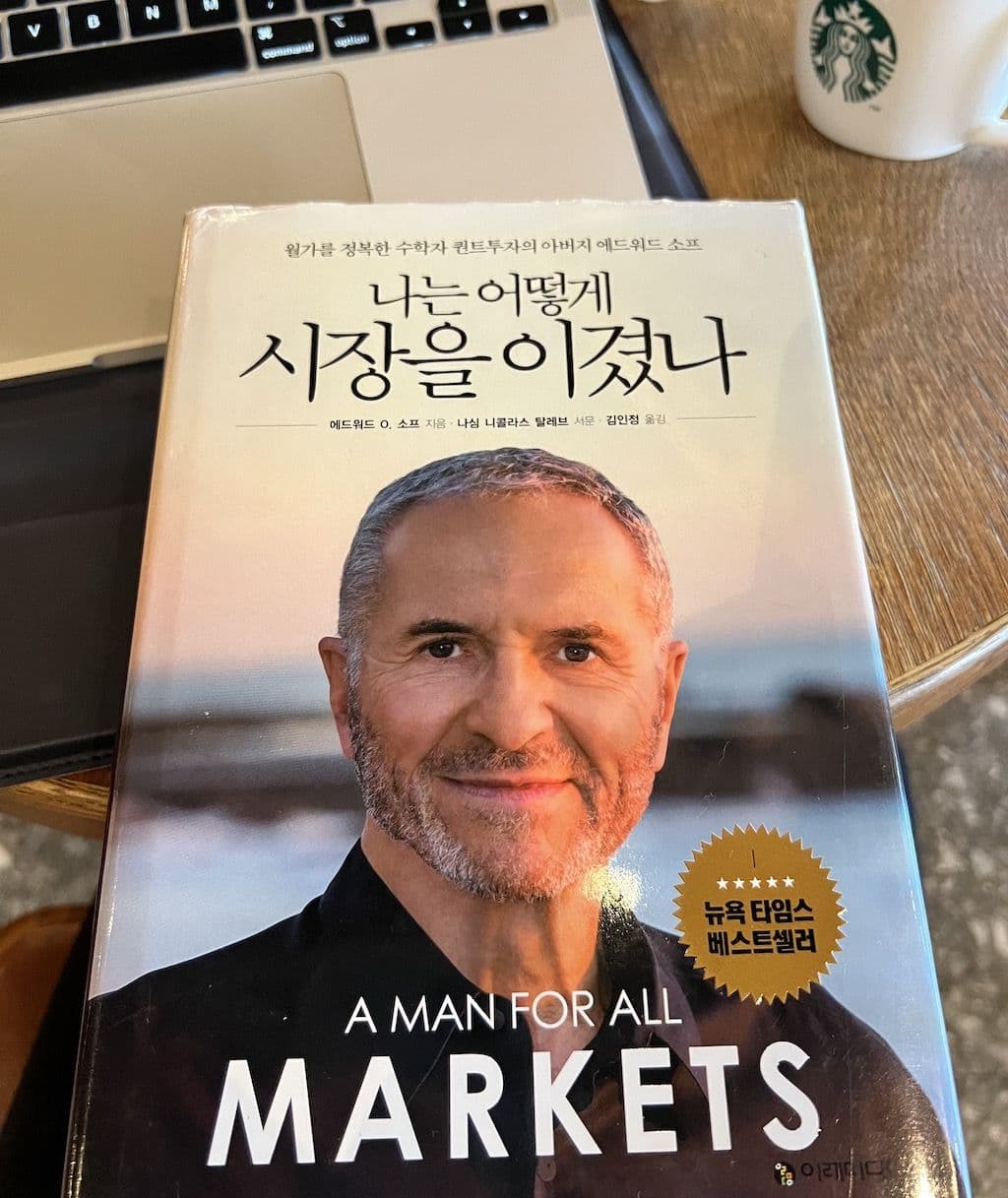
BookSince late last year I've been personally curious to learn about quantitative finance and quant investing. Looking for relevant books and resources, I found that the book written directly by Edward O. Thorp — known as the father of quant investing — was A Man for All Markets. Above all, a book written firsthand by the person who made a landmark contribution in a field seemed like the right introduction.
 Book
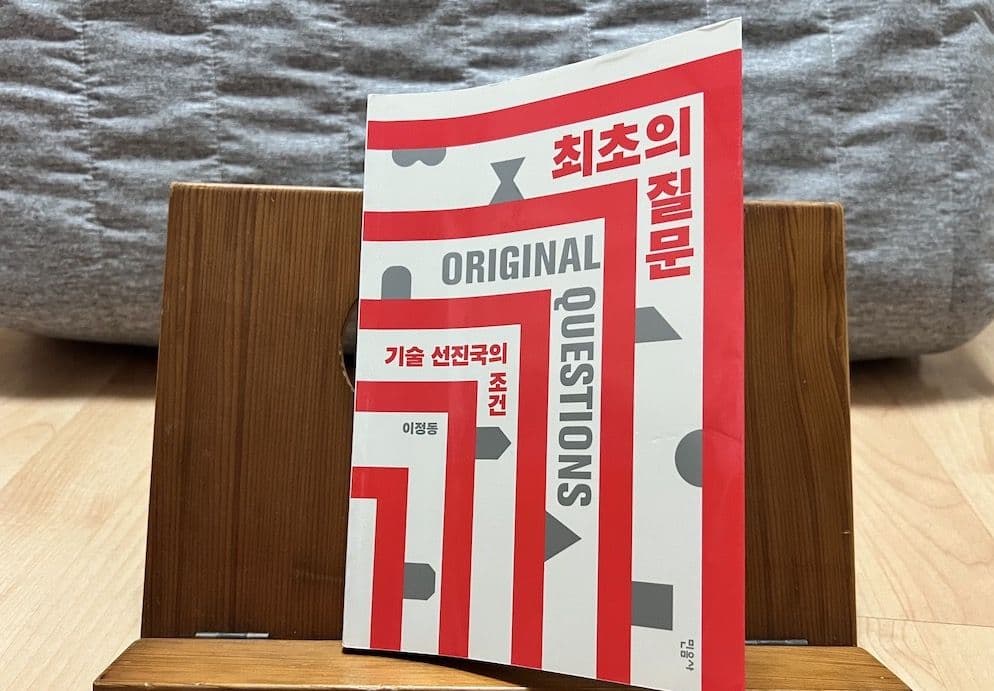
BookI first heard of this book when a respected friend I hadn't seen in a while gave a copy to everyone at the table. The author, Professor Lee Jung-dong, had also written the bestseller <The Time of Accumulation>, which this same friend had once pressed me to read — saying it would be embarrassing for anyone with an engineering background not to have read it. That made receiving this new book feel like a warm reunion.
 Book
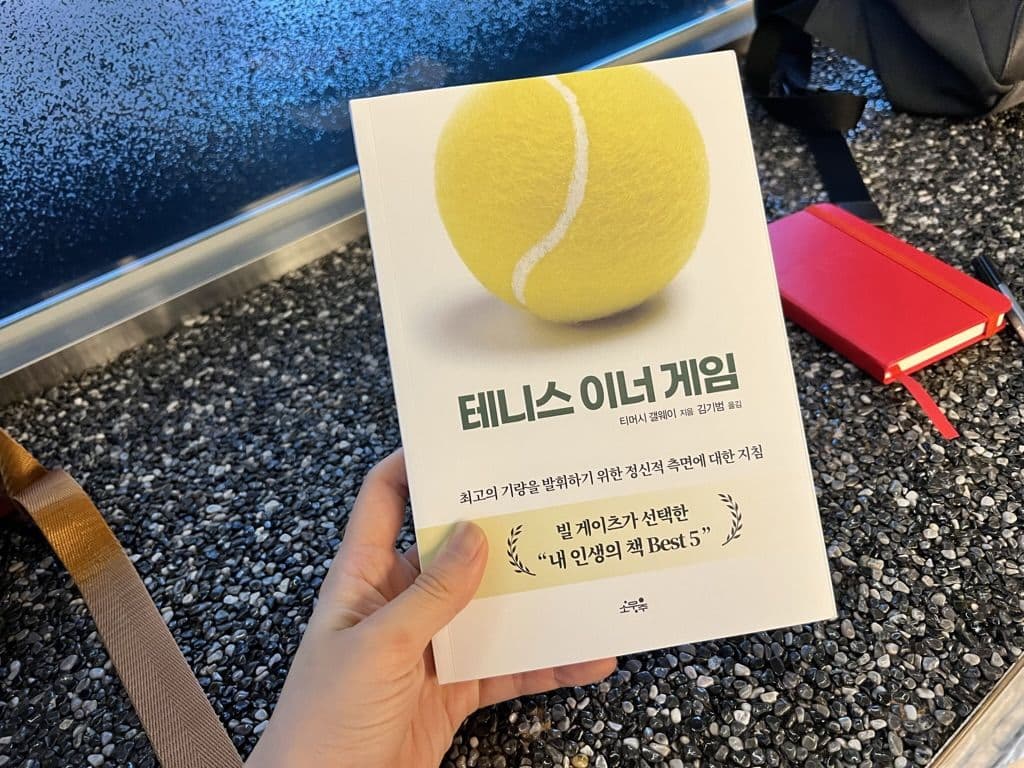
BookBill Gates, known as one of the world's most voracious readers, says there are very few books he has read multiple times — and this is one of his top five books of all time. I was curious what it could possibly be, and also secretly hoped that reading something about mindset right after finishing a novel would be especially effective.
 Book
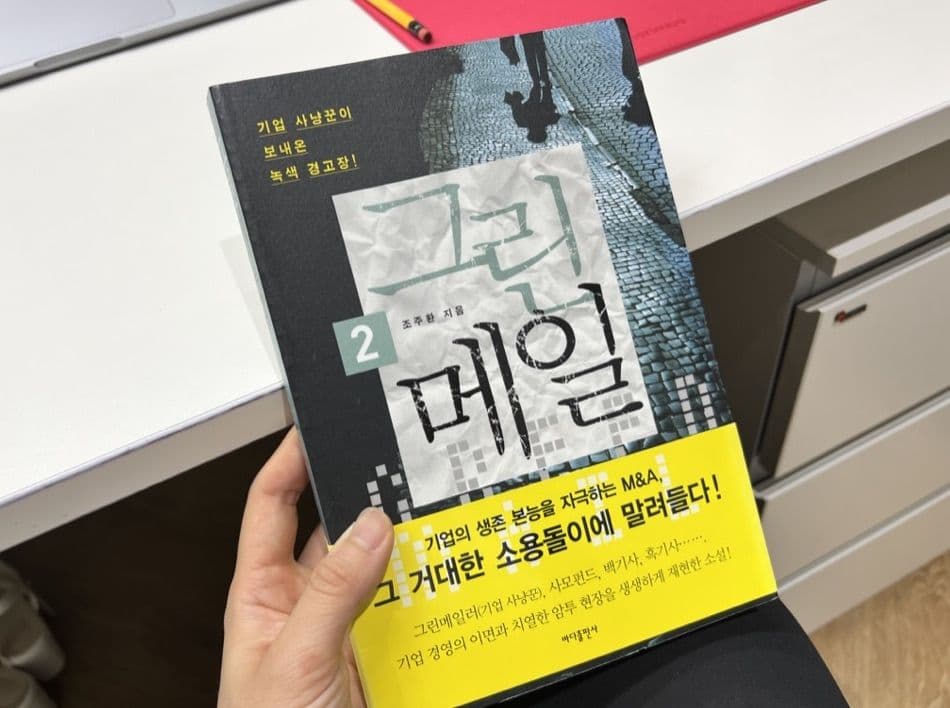
BookI was in the middle of looking for books about 'currency' and 'money' when I came across a blog recommending Greenmail and added it to my reading list. One day while browsing an Aladin used bookstore, I found both Greenmail 1 and Greenmail 2 shrink-wrapped and in perfect condition, so I snapped them up.
 Book
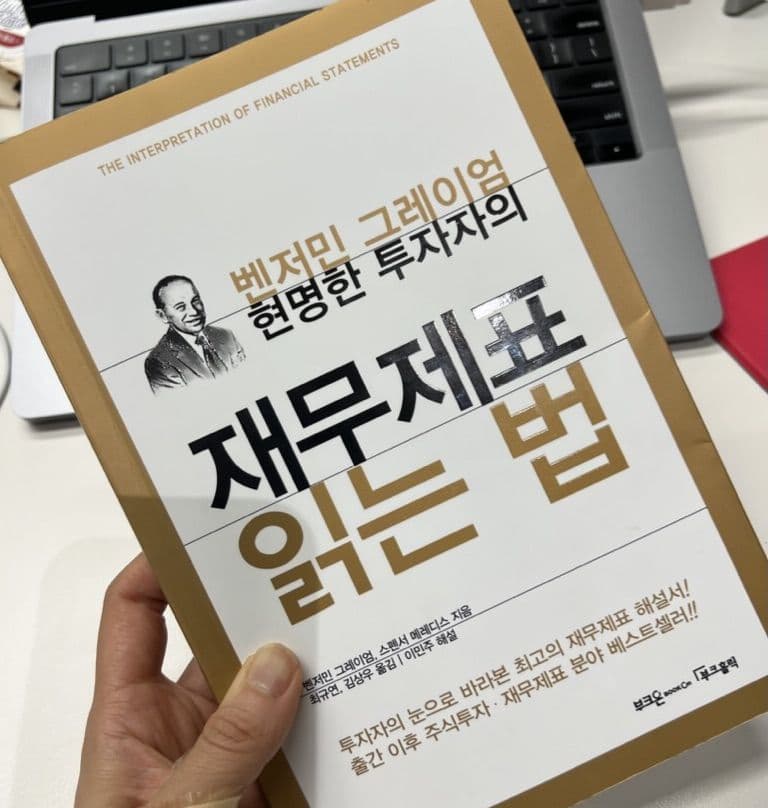
BookMy work requires a lot of company analysis, and lately I've been strongly feeling the need to properly understand how to read financial statements. For someone who has only ever walked the so-called 'science track,' accounting and finance have always been something I picked up piecemeal — learning just enough concepts to get by in practice.
 Book
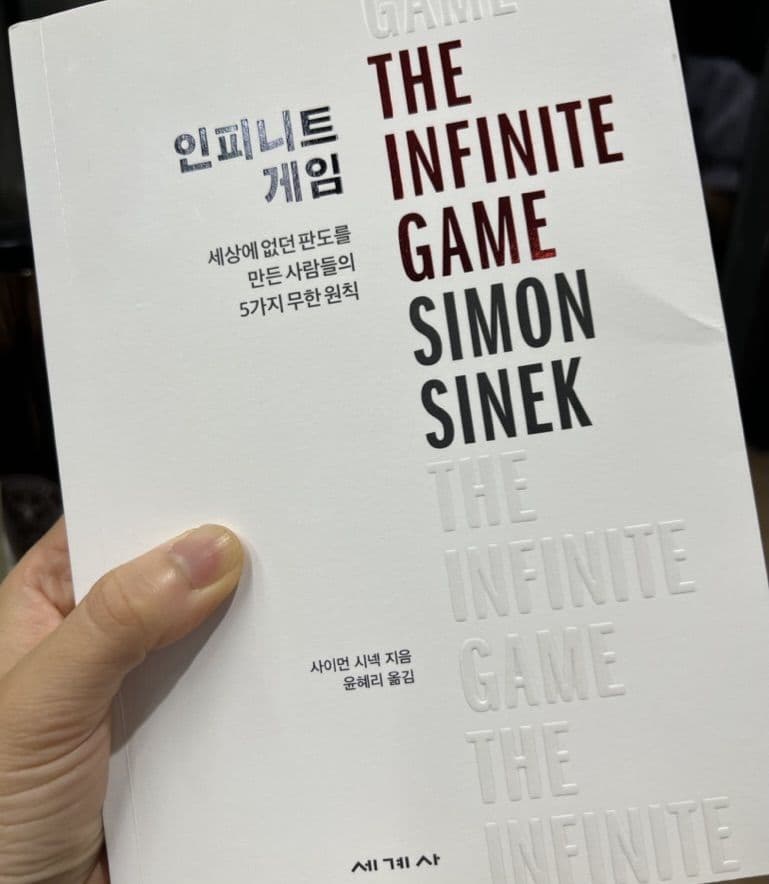
BookWith so many books to read in the world, I end up choosing what to read based on a friend's recommendation or a compelling marketing blurb. <The Infinite Game> came onto my radar when a friend's recommendation and marketing (Simon Sinek is a very well-known author) converged at once.
 Book
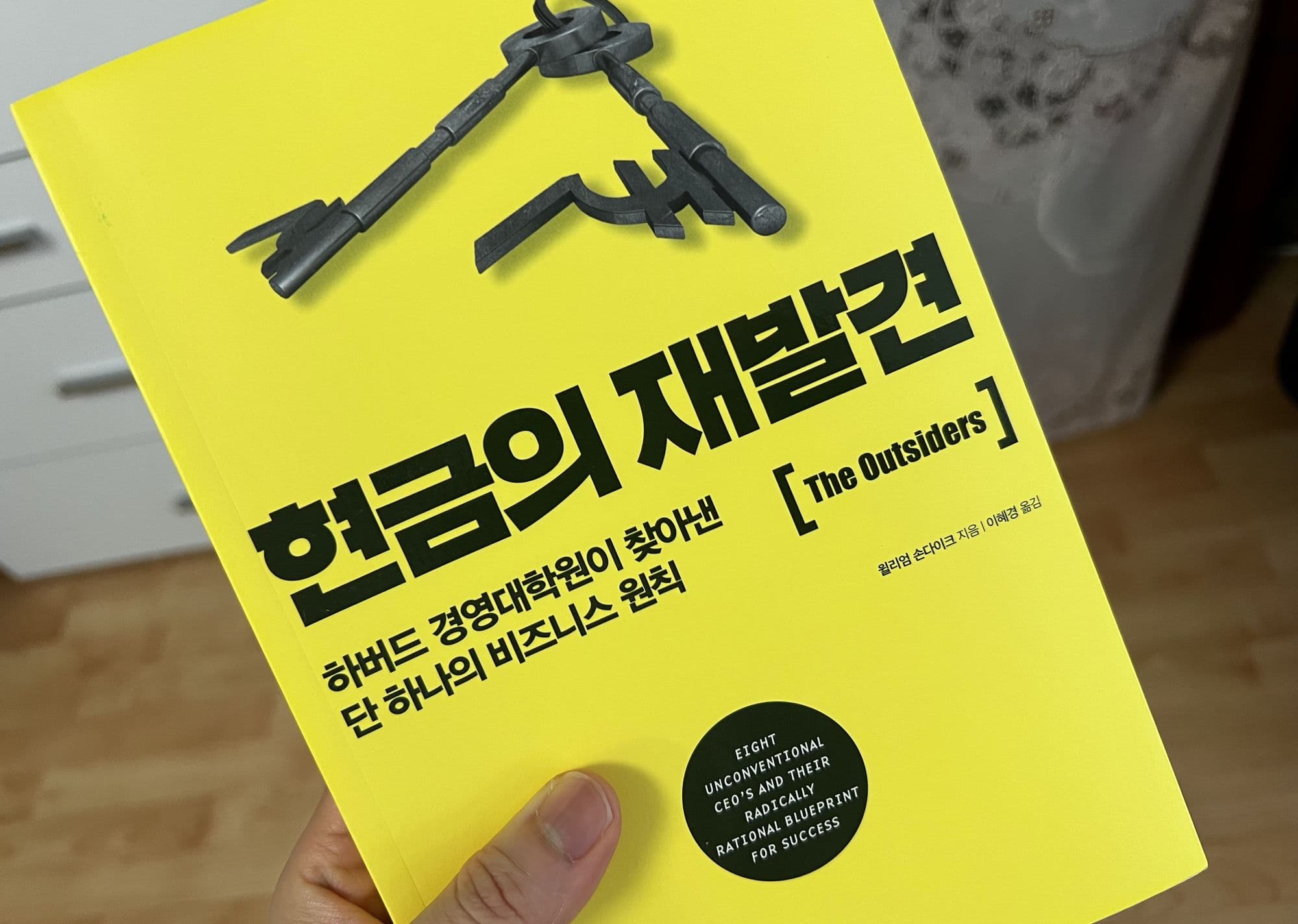
BookI don't remember who it was, but I saw someone recommend this book and kept it in my online bookstore cart for a while. I hoped it might deepen my wisdom on a recent area of interest: 'cash, currency, and money.'
 Book
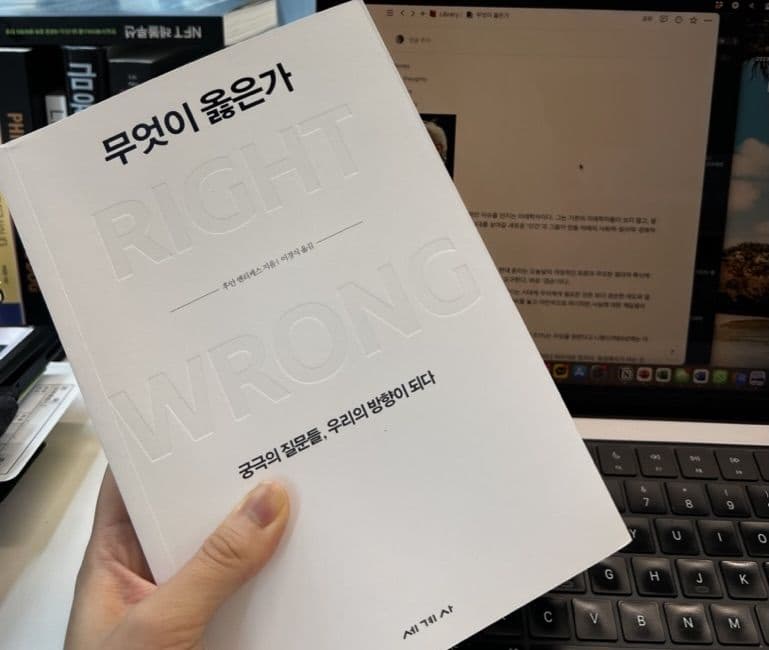
BookI first came across <Right/Wrong> through a conversation where a friend asked what we'd each been reading lately. Though they gave only a brief summary, I knew immediately I had to read it — because of questions I'd been wrestling with a lot recently. My current areas of interest include artificial intelligence, blockchain, cryptocurrency, private equity, and venture investment.
 Book
Book