 Book
Book7 min read
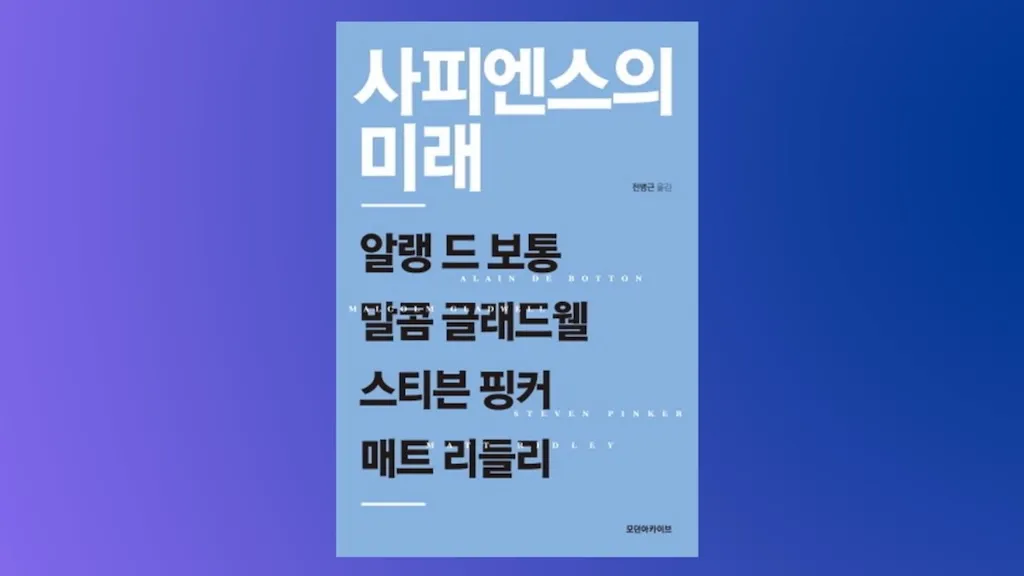
Thoughts on <DO HUMANKIND'S BEST DAYS LIE AHEAD>
amid these days so full of AI-driven FOMO, to consider what kind of future for humankind we ourselves hope for.
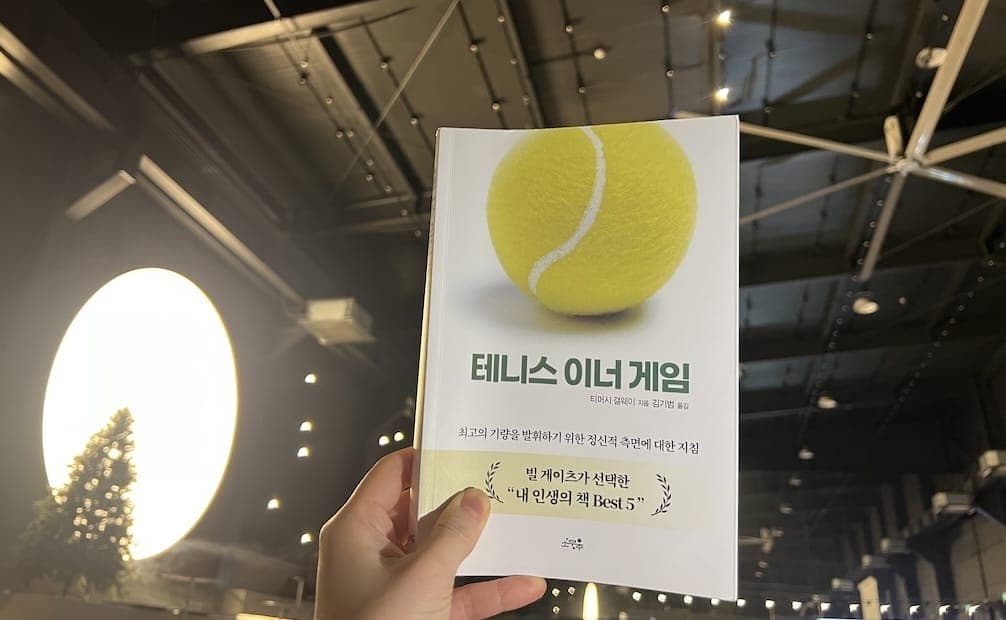
As I've been getting more and more into tennis lately, the book that I read about two and a half years ago came back to mind. When I first read it, I didn't know much about tennis, so I felt like I only understood about 30% of its message. Even so, the book's message about "relaxed concentration" was helpful for life in general. With a renewed interest and passion for tennis, I was curious how much differently it would resonate — so I chose it as my first book of the year.
What's remarkable about this book is that the author, Timothy Gallwey, was born in 1938, is still alive, and the book was first published in 1974. After , Gallwey went on to become a leader in the "inner game" concept — writing , , , , and more. Under this keyword — "inner game," which can be translated into Korean as "내면 게임" — he reportedly became even more well-known for speaking to corporate leaders than to athletes. This is a testament to the fact that this book offers effective guidance not just for one sport, but for life as a whole.
Reading it a second time, I came away with practical guidance for the mindset I want to bring to my tennis practice going forward. Here's a brief summary:
Step 1: Observe without judging
Step 2: Visualize the result you want
Step 3: Trust Self 2 (your senses, instincts, and potential)
Step 4: Observe changes and results without criticism
How to achieve concentration:
An unexpected reward I didn't anticipate when I opened the book: it made me think about why I play tennis. Often when you start learning a new sport, you don't have a clear answer to "why exactly do I want to learn this?" The reasons I chose tennis were things like: "They say tennis is hard, so I want to try it precisely for that reason," "People say tennis looks cool," "There are quite a few courts around so it's accessible," "It's a great sport to do for life," "It's good for social networking," and so on. Thinking about it, these reasons were responses to external demands rather than internal ones. So as I read, I revisited why I genuinely want to work hard at tennis. As the author says, being able to practice "present-moment focus" through tennis — that seems to be what motivates me to want to get good at it.
These days, societal awareness of "flow" has grown and there are many guides on how to achieve it. This book also offers many useful mindset tips, but one sentence in particular really hit me hard. Not a direct quote, but here's how I understood and summarized it:
"People want to be present in this moment — yet dissatisfaction with who they are right now, and the anxiety that they must become different, is precisely what prevents them from being present."
This probably resonated so strongly because it perfectly explains why I struggle to be present. If you want to experience flow, you just need to try — but I often have all kinds of excuses and worries: why doesn't flow come easily, am I even trying to flow in something worthwhile? This is the same thinking pattern I fall into in other areas too — wanting every attempt to deliver all the desired results in one go, which paradoxically means I don't attempt anything at all. What I need is exactly the cycle of trusting Self 2, just doing it, observing the results without judgment, correcting, and trying again.
I read this book in one sitting from the moment I started, and as I closed the last page, I thought: what a perfect choice for the year's first book. This book coaches the importance of "trusting yourself and understanding your true self" and provides a guide to doing so — and if I live each day focused on the present based on what I read here, I think the whole year will feel more full.
If you're interested in unlocking your own potential — even if you don't play tennis — I recommend reading this book. There's much more specific coaching in the book than I've covered here, and I imagine different readers will find different parts resonate and spark curiosity.
I actually applied what I learned from this book as I wrote this very review. Up until last year, I felt a lot of pressure around blog writing because it took so much time to write a single post. I was worried about how others would perceive me through my writing. But thinking about it — I had always considered writing to be a practice in itself, yet I was preemptively imagining what external demands might exist, letting that fear prevent me from practicing at all. So for this review, I scaled back the "About the Book" section and focused more on sharing my own impressions. That way, I could focus on "me who read the book" rather than "the book," and record my feelings more vividly. Finishing this post, I can definitely feel the pressure of writing has eased. Writing like this, my posts might be lighter — but I think I'll be able to leave more frequent, more vivid writing.
I'm excited that if I remember and apply what I felt from this book throughout the year, I'll experience a significant personal change. I'd be even happier if others could find good things in this book too.
Bookamid these days so full of AI-driven FOMO, to consider what kind of future for humankind we ourselves hope for.
 Book
Book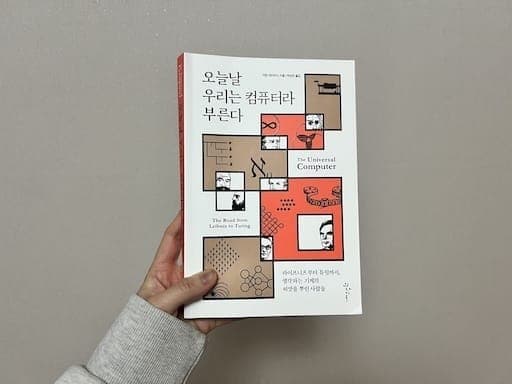 Book
BookA channel I deeply respect recommended this book, so I bought and read it after a long time of buying books directly. I had high expectations — the recommendation came with a note that anyone interested in computers, artificial intelligence, and mathematics would find it fascinating. But honestly, I don't think I properly understood even 50% of the content. What the book left me with, though, was a much richer sense of what a computer is — not as hardware, but as an idea born from the pursuits of generations of geniuses.