 Book
Book7 min read
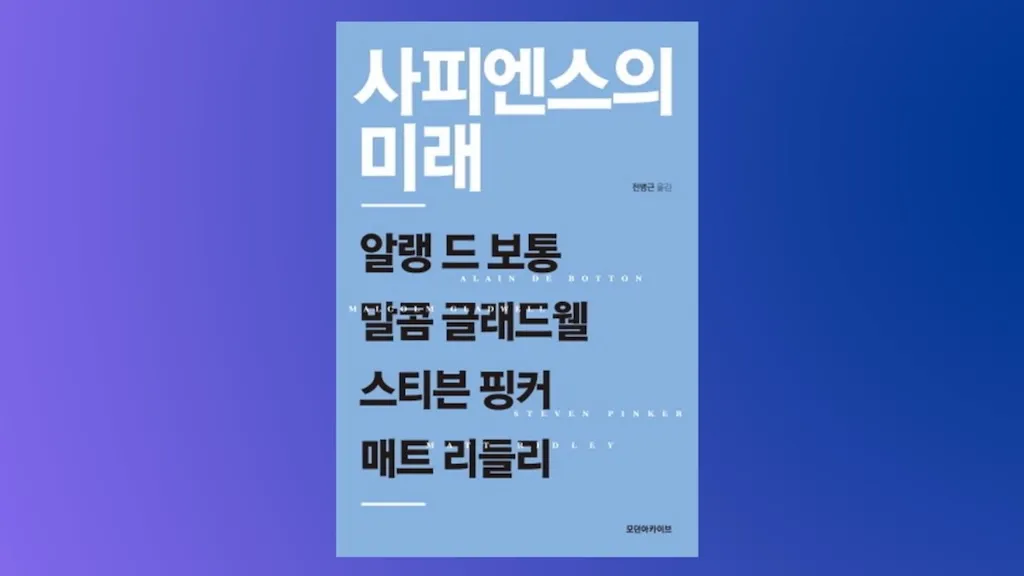
Thoughts on <DO HUMANKIND'S BEST DAYS LIE AHEAD>
amid these days so full of AI-driven FOMO, to consider what kind of future for humankind we ourselves hope for.
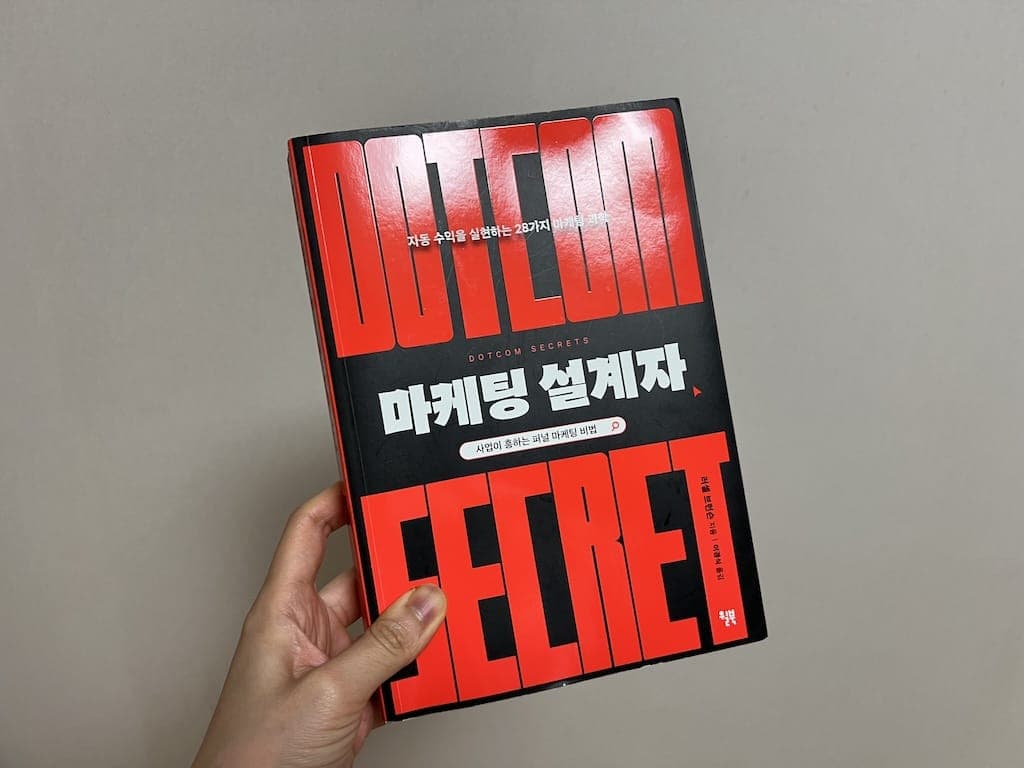
Since last year, my work shifted away from launching new products or services to market, focusing entirely on corporate operations and organizational structure — which brought my interest in and engagement with marketing down to nearly zero. I was already feeling a creeping sense of urgency about this. One day while browsing a bookstore, wondering what to read next, I came across a note I'd made about DotCom Secrets, a recommendation from a friend. Having neglected marketing for too long, I decided to pick it up and rekindle my interest through reading.
The author, Russell Brunson, runs ClickFunnels.com, a marketing company valued at over $100 million. He's both a living example of revenue maximization through marketing funnels and someone who sells this methodology — through books, courses, webinars, and consulting — to coach other online business founders. Once you understand his background, it becomes easy to see why his books and online content are filled with the kind of American-style motivation that says things like, "The success you're dreaming of is closer than you think, and I can guide you there." I occasionally found myself unsure whether I was reading a self-help book or a marketing textbook.
This book is an in-depth treatment of the "marketing funnel." All ~450 pages are devoted to dissecting it. After reading, you'll know exactly where to turn whenever you need a playbook for building a funnel. I've summarized the most important concepts and ideas below.
Key Keywords and Core Ideas This Book Teaches
The brand is not the hero. The customer is the hero, and the role of the brand is to help that hero overcome every obstacle they face and ultimately succeed.
— Marketing consultant, Donald Miller
Reading this book, I frequently got the impression that the author is intensely relentless. One telling example was his advice to never use polite phrases like "Return to home page" after a customer's first purchase. If a customer turns down your OTO (One-Time Offer) at that moment, you must leave them with the impression that they are the ones losing out. So instead of "No thanks, take me back to the main page," you push them with: "No thanks, I don't want to add an amazing 95%-off bonus to my order." One might wonder if it's okay to push customers this hard — but the takeaway is: build a product so genuinely good that a customer who passes is the one missing out, and carry that confidence as an entrepreneur.
The goal I had going in — to reignite my interest in marketing — was ultimately achieved. Because this book focuses on 10x-ing or 20x-ing a personal business (very much Russell Brunson's domain), it was full of marketing techniques that resonated with my own interest in growing a personal business. Beyond the core ideas I summarized above, the book is packed with granular tips for each funnel type — things like "Don't explicitly ask for payment on the purchase page; use a bump order instead." I'd wholeheartedly recommend this as a playbook for anyone wanting to build an online business. The fact that I'm recommending it like this tells me I got sold by Russell Brunson somewhere along the way 😅 All things considered, I recognize him as a proven marketing expert.
Bookamid these days so full of AI-driven FOMO, to consider what kind of future for humankind we ourselves hope for.
 Book
Book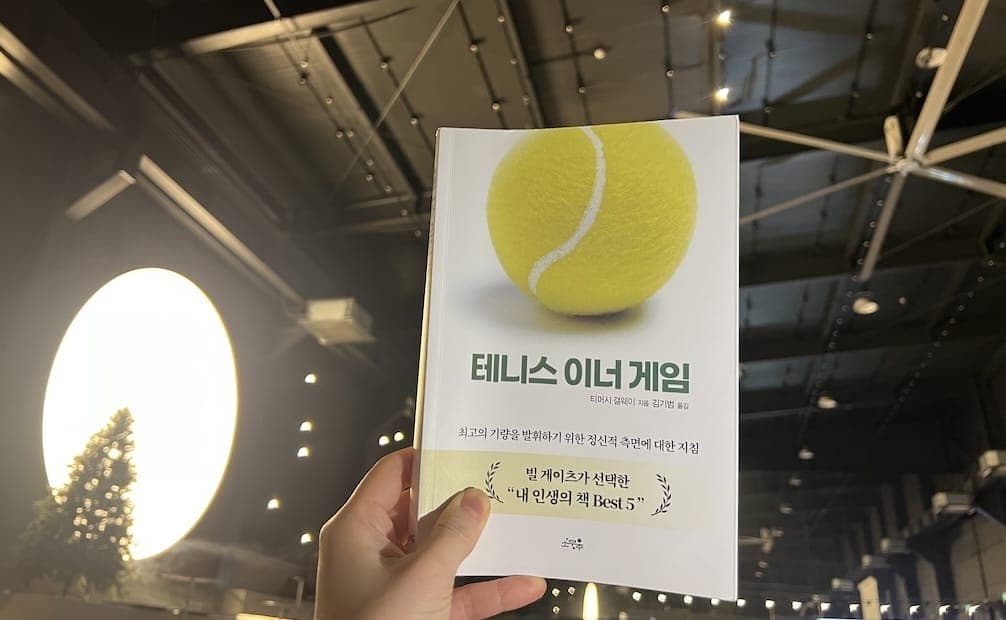 Book
BookAs I've been getting more into tennis lately, the book <The Inner Game of Tennis> that I read about two and a half years ago came back to mind. When I first read it, I didn't know much about tennis, so I felt like I only understood about 30% of its message. Even so, the book's message about "relaxed concentration" was helpful for life in general — and with renewed passion for tennis, I was curious how differently it would resonate the second time.