 Book
Book7 min read
Thoughts on <DO HUMANKIND'S BEST DAYS LIE AHEAD>
amid these days so full of AI-driven FOMO, to consider what kind of future for humankind we ourselves hope for.
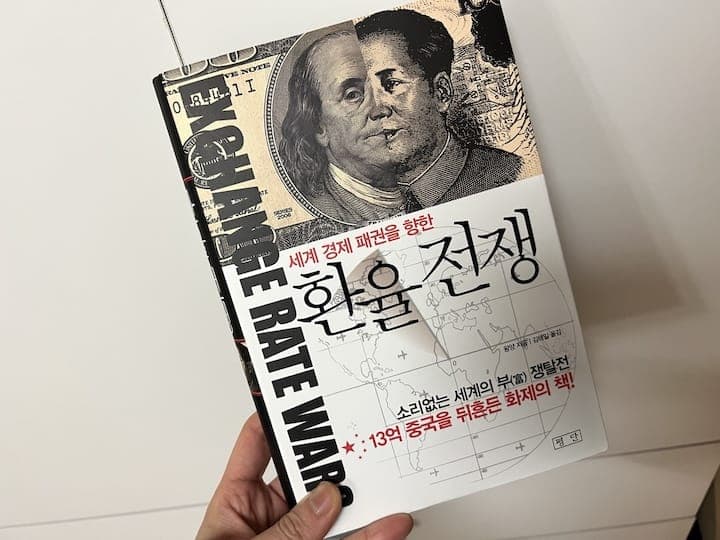
While researching and writing about "the future of banking" for a blockchain study group, thinking about currency led me to search for a book that could explore the fundamental nature of money. Exchange rates in particular have been a growing interest for me since I started generating dollar income a few years ago. And recently, studying blockchain, I found myself largely agreeing with the logic that cryptocurrency could become a borderless currency or payment medium. This book appealed to me on multiple levels — I enjoyed it, and I'd recommend it to anyone who wants to build a foundational understanding of exchange rates.
💡 Personally, I was shocked to see that my previous post came in at a "51-minute read." Going forward, I'll try to practice writing blog posts concisely enough to be read in under 10 minutes. Starting now!
At a structural level, I felt this book was well-written. The table of contents clearly conveyed what knowledge the author wanted to deliver, and the body of the book covered those topics in order without skipping anything. So by sharing the table of contents below, I'd like to give readers a feel for "what I can expect to get out of this book."
Among the many things the book says about exchange rates, if I had to pick one core sentence it would be this:
Trade, investment, and trust are the three biggest factors influencing exchange rates.
These three factors are executed through three policy types in each country:
The book walks the reader slowly through how each policy operates in a cycle, using many historical examples of currency wars. Based on my own understanding, I've put together simple diagrams below showing the interrelationships of the factors connected to exchange rates. If you're reading this book, keeping these diagrams in mind while working through the examples will help you spot where someone made a mistake and at what point.
Fiscal Policy
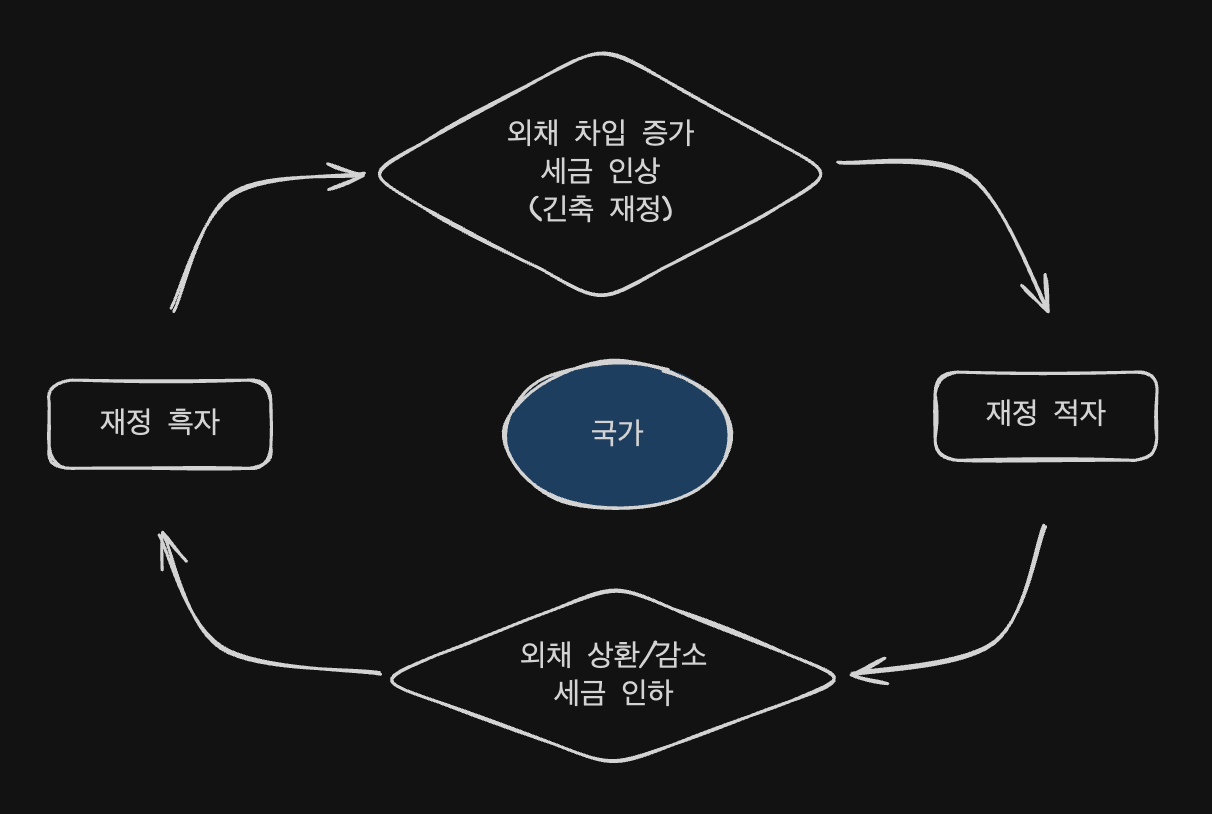
Monetary Policy
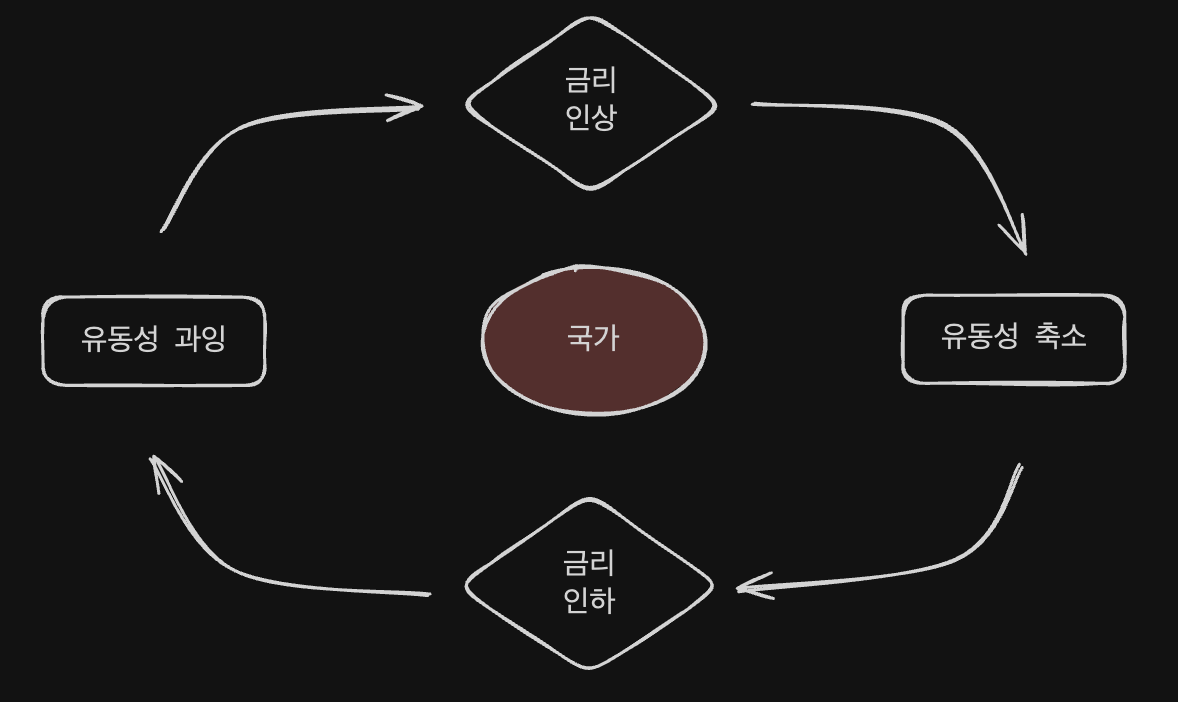
Trade Policy
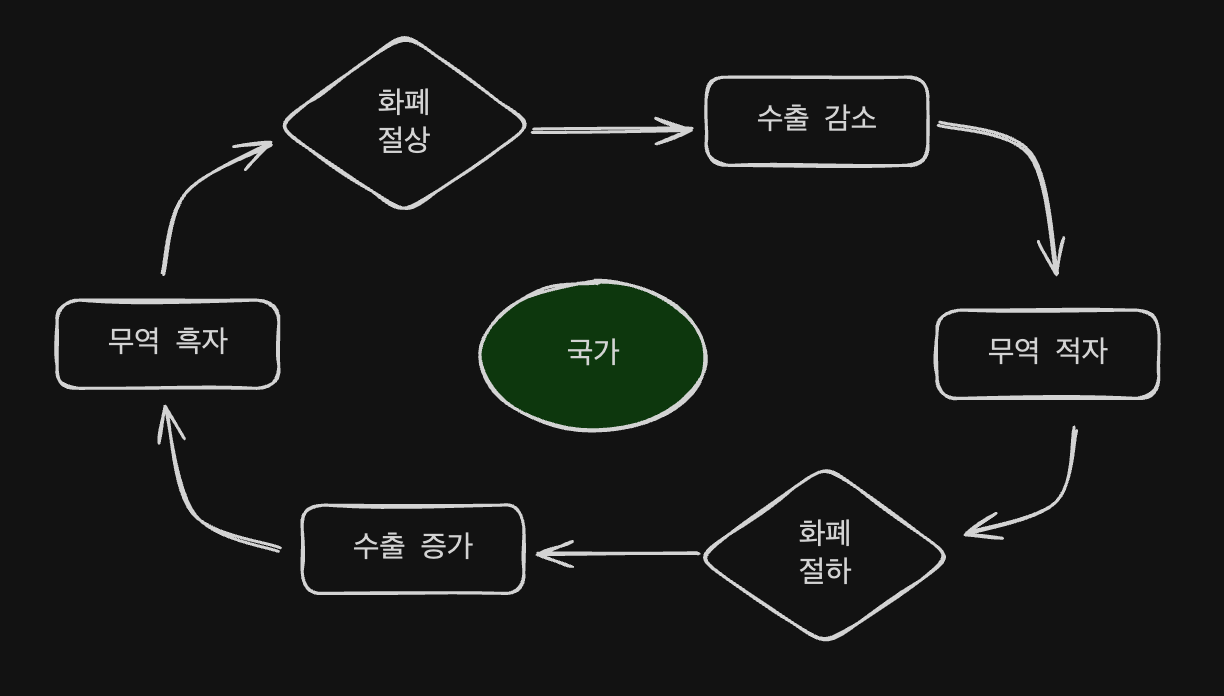
The diamond shapes in the diagrams above mark where decision-makers can make a decision. Put differently, depending on what decision is made and when, that cycle can be blocked, reversed, or tangled. Most of the currency war losses in the book's examples boiled down to this: problems that could have been easily resolved with early action became major crises because governments failed to take appropriate measures — due to poor judgment, external pressure, or conflicting interests. Looking through all these examples of currency wars, I find myself feeling most viscerally the lesson that "history repeats itself."
Approaching the end of the book, I kept thinking about how much there is to apply to changes happening right now. This book was published in 2011 — more than a decade ago — but it's perfectly relevant for thinking alongside today's news and the big topics of the moment. Just the topics that come to my mind:
I don't have clear answers to the questions I've posed to myself. But by thinking through them like this, I'm reminded once again of what the late Charlie Munger called the "mental model lattice" — having the right frameworks in your head is truly an important tool for seeing beneath the surface of events.
Learning a little more about exchange rates has made me suddenly more worried about Korea and more acutely aware of US debt. It seems that half-knowing something can actually create more worry and anxiety than not knowing at all. Even so, I think of the knowledge I've gained as a tool that helps me think for myself and look at issues from multiple angles — and I'd rather have my head full of curiosity than worry or anxiety. I hope this post can be even a small contribution to that kind of growth for you as well.
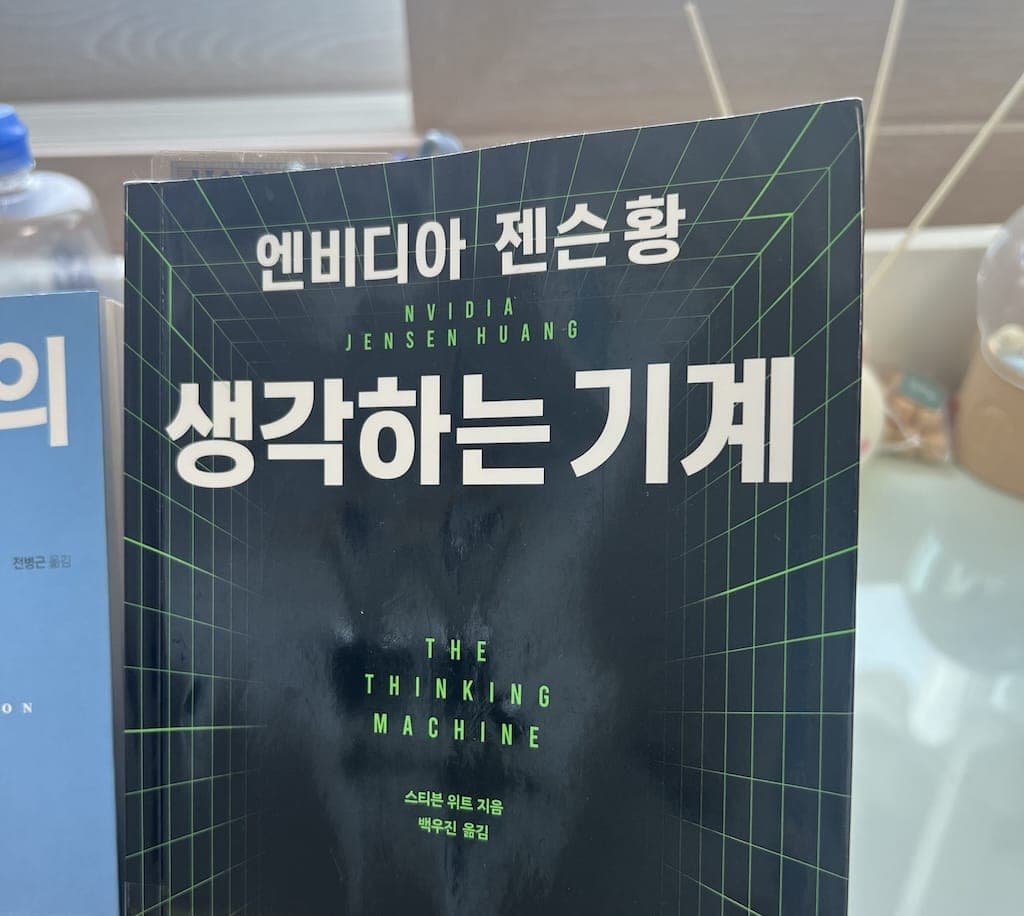
Bookamid these days so full of AI-driven FOMO, to consider what kind of future for humankind we ourselves hope for.
 Book
Book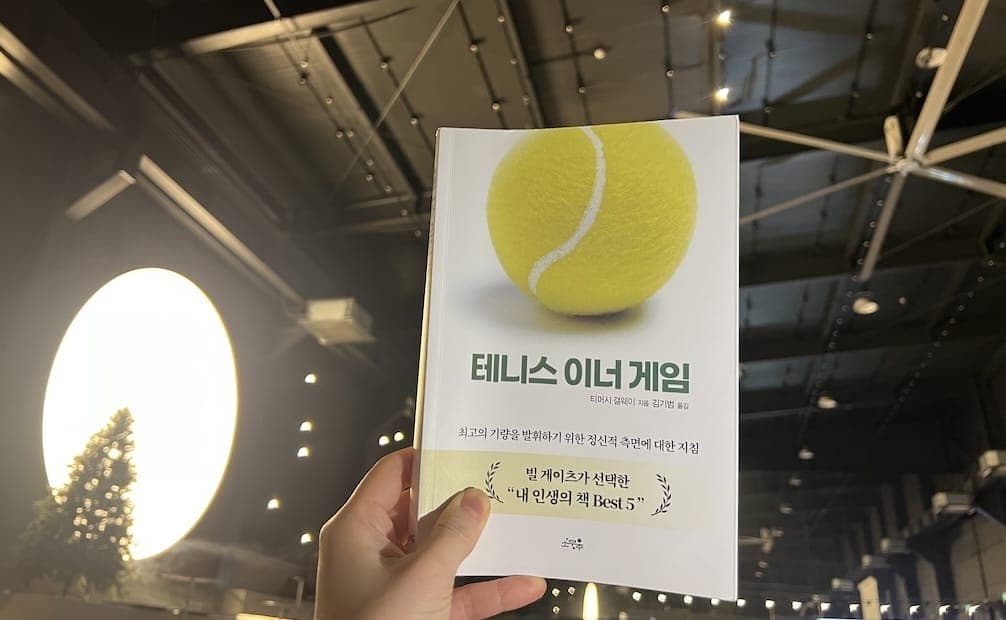 Book
BookAs I've been getting more into tennis lately, the book <The Inner Game of Tennis> that I read about two and a half years ago came back to mind. When I first read it, I didn't know much about tennis, so I felt like I only understood about 30% of its message. Even so, the book's message about "relaxed concentration" was helpful for life in general — and with renewed passion for tennis, I was curious how differently it would resonate the second time.