 Book
Book7 min read
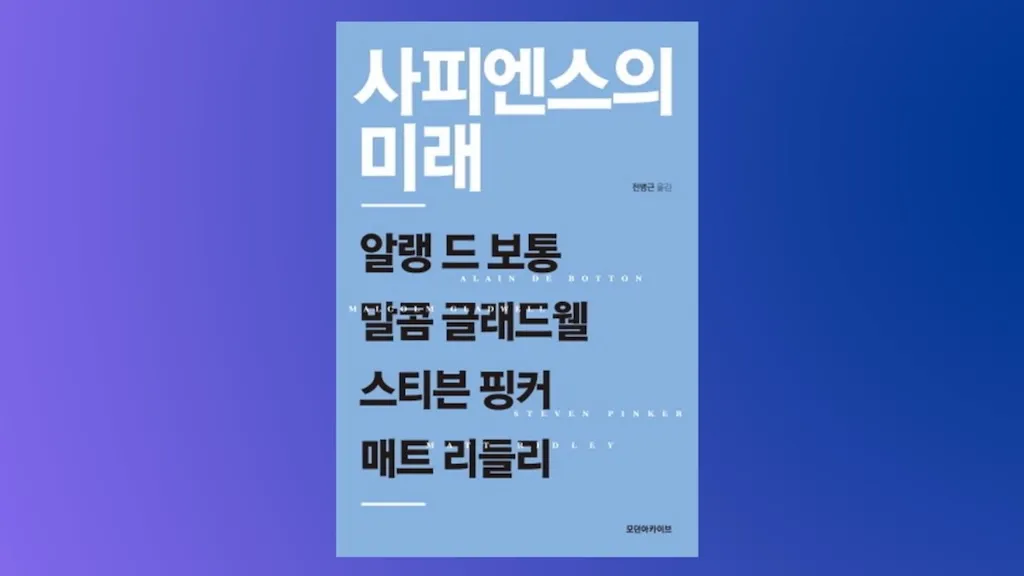
Thoughts on <DO HUMANKIND'S BEST DAYS LIE AHEAD>
amid these days so full of AI-driven FOMO, to consider what kind of future for humankind we ourselves hope for.
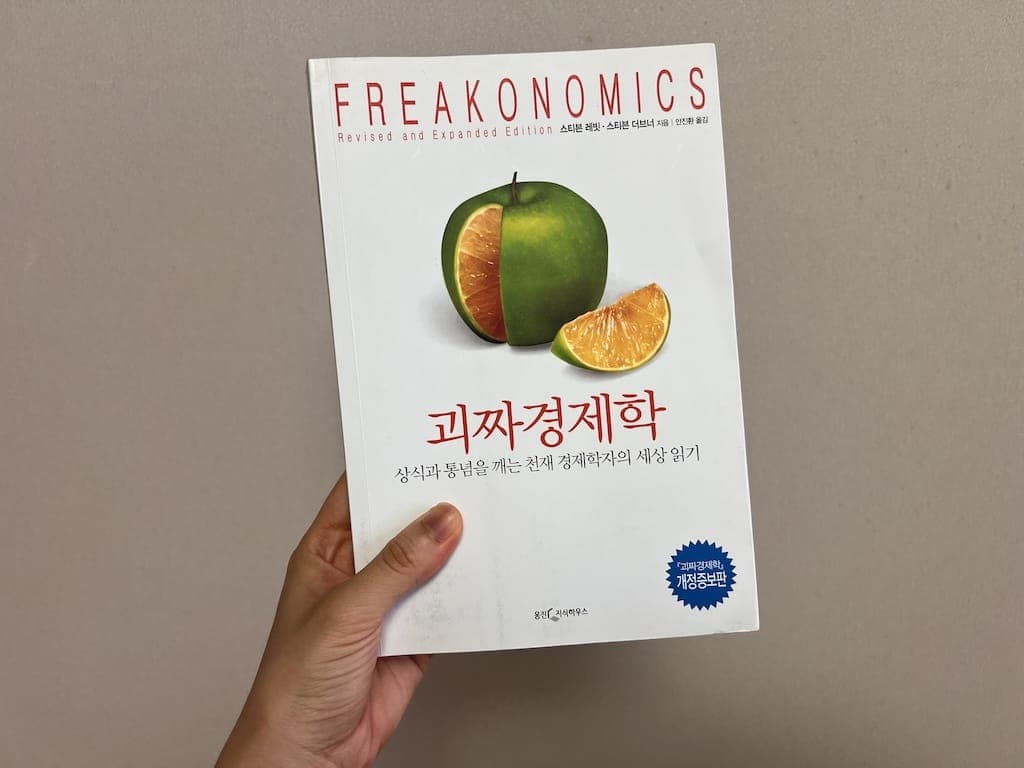
This book is so well-known and cited so frequently in other books that I'd been familiar with the title for ages. Then an American coworker who loves reading mentioned in conversation that he alternates between books across different genres, and picked as one of his most memorable reads — which struck me as interesting and prompted me to read it. I figured it must be a book that was genuinely famous in the US as well (not just a name that spread primarily in Korea), and that made me want to read it.
The authors say there was a lot of pushback when naming this book (Freakonomics) — but personally, I think the title in both English and Korean captures well the content and the direction of the authors' research. The authors are Steven Levitt, an economics professor at the University of Chicago, and Stephen Dubner, a writer and journalist for the New York Times. It's an unusual pairing — but it makes more sense when you think of it as a book written by two eccentrics from their respective fields.
The authors warn (?) upfront that there is no single unifying theme running through this book. They also note that they've received a lot of that criticism after publication. But having read their warning first, or perhaps because I already knew many of the examples from how famous the book is — I do think has one message: through many examples, the book tells us to not accept conventional wisdom as-is, but to use data to see exactly what the truth is. I think the criticism arose because Steven Levitt is a University of Chicago economist, yet he approaches seemingly "trivial" questions in an eccentric way — which makes traditional economists or those who admire them uncomfortable. I personally find it enjoyable when people share wisdom by approaching their own fields in fresh ways like this.
Even people who haven't read this book will likely have heard, or seen cited somewhere, the questions it covers:
For those who are dying to know the answers, I'd recommend reading the book.
What personally struck me was this: I had assumed these questions were just the most interesting ones cherry-picked from random research topics — but they actually carry Steven Levitt's personal story. The Levitts' first child, Andrew, died of pneumococcal meningitis just after his first birthday. After that, they adopted and raised three children. Through this experience, the Levitts joined a group for bereaved parents, where they were shocked to learn that a remarkable number of children die from drowning in swimming pools — which led Levitt to research the matter to get to the truth. And as an effort to cope with grief, Levitt started a side business of buying old houses, renovating them, and selling them — an experience that drew his attention to the real estate agent market. Learning the author's personal history made me realize that what seems trivial to some is actually an important question to a specific individual.
Overall, this book drives home once more that "incentives" are often the true driving force behind human behavior, and that we must not confuse causation with correlation.
At the end of the book, Steven Levitt says his goal going forward is to build tools for catching terrorists. An economist catching terrorists — that does sound like a proper freak economist. Personally, I think a Korean version of Freakonomics would be really fascinating. The book is primarily centered around American examples (drug dealers, the Black-White education gap, etc.) — there's surely enough material from Korea to fill a book on its own.
Bookamid these days so full of AI-driven FOMO, to consider what kind of future for humankind we ourselves hope for.
 Book
Book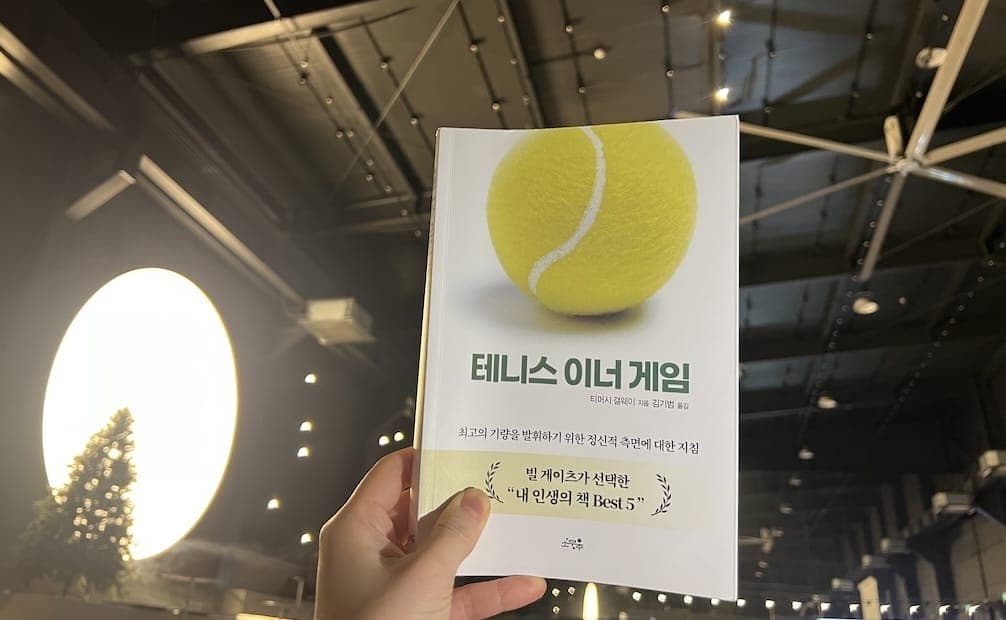 Book
BookAs I've been getting more into tennis lately, the book <The Inner Game of Tennis> that I read about two and a half years ago came back to mind. When I first read it, I didn't know much about tennis, so I felt like I only understood about 30% of its message. Even so, the book's message about "relaxed concentration" was helpful for life in general — and with renewed passion for tennis, I was curious how differently it would resonate the second time.