 Book
Book7 min read
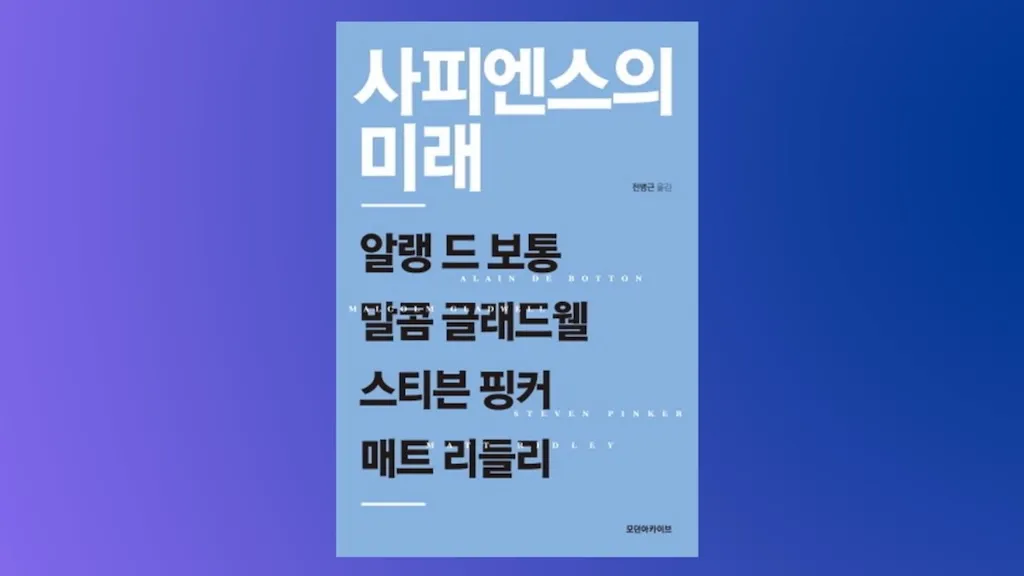
Thoughts on <DO HUMANKIND'S BEST DAYS LIE AHEAD>
amid these days so full of AI-driven FOMO, to consider what kind of future for humankind we ourselves hope for.
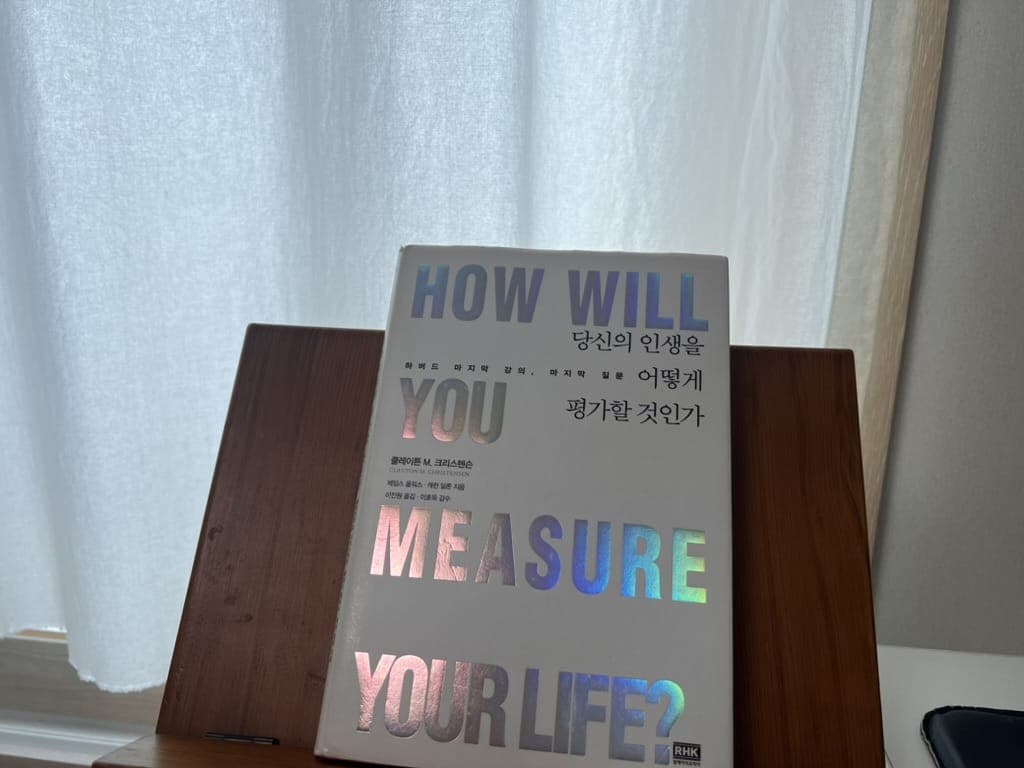
As I set my New Year's resolutions for 2025, I committed to making this a year that feels more authentically me. That suddenly brought to mind Professor Clayton Christensen's <How Will You Measure Your Life?> — a book I felt I needed to re-read. I don't have a clear reason why this book came to mind, but I think it was my desire to build this year up steadily — differently from last year, when I was buried in short-term concerns — that summoned it back.
Even reading it a second time, I was struck by how many fundamental and important things I had forgotten. What sets this book apart from other books about "life and happiness" is its approach of applying theories to life. Professor Christensen argues that a good theory gives the right answer no matter what situation you apply it to — and that's why we need to understand theories, especially for the most important thing of all: our own lives. Reading the book from this perspective, ideas I'd heard many times felt a little more trustworthy.
The book introduces three elements that make up a life strategy — much like a corporate management strategy. Here's my summary of its content. What resonated with me most was the recommendation to ask, for any strategy: "What assumptions need to prove true for this strategy to succeed?" Many of the bad strategies I've pursued involved me simply assuming that a critical premise would naturally come to pass, with no preparation or second thought.
Deciding Priorities
Balancing Plans and Opportunities
Resource Allocation
Beyond this, the book explains several broad life theories. As a business school professor, it's interesting to see how Christensen uses examples from management theory to show how they can be applied to life as well. Here are a few of the passages I most wanted to commit to memory.
At the end, the authors give readers homework: to think about the purpose of their own lives and write a purpose statement. A purpose statement can be built through a process of: (1) picturing the person you want to become, (2) committing fully to that vision, and (3) creating a metric for evaluating how well you're achieving it. As I read, I briefly tried to think about what kind of person I want to be — but it turned out to be harder than I expected to land on a purpose that felt truly "mine." As the author says, it seems that finding a life purpose requires setting aside focused time and attention.
Near the end of the book, Professor Christensen shares his own life purpose:
The mere existence of this book tells you that Christensen lived faithfully to his stated life purpose (to help others improve their lives).
Evaluating what kind of life is a happy life is genuinely difficult. Because time, once passed, cannot be returned, there's an unnecessary impatience that sometimes arises around "happiness." In those confused moments, there's comfort in having someone tell you that through "theory," you can reach the same outcome across different situations — and that there are questions worth answering and things worth reflecting on. It's a wonderful way to start a year. I'm grateful to my unconscious for bringing this book back to my mind, and I hope to live this year without forgetting the theories I read here.
Bookamid these days so full of AI-driven FOMO, to consider what kind of future for humankind we ourselves hope for.
 Book
Book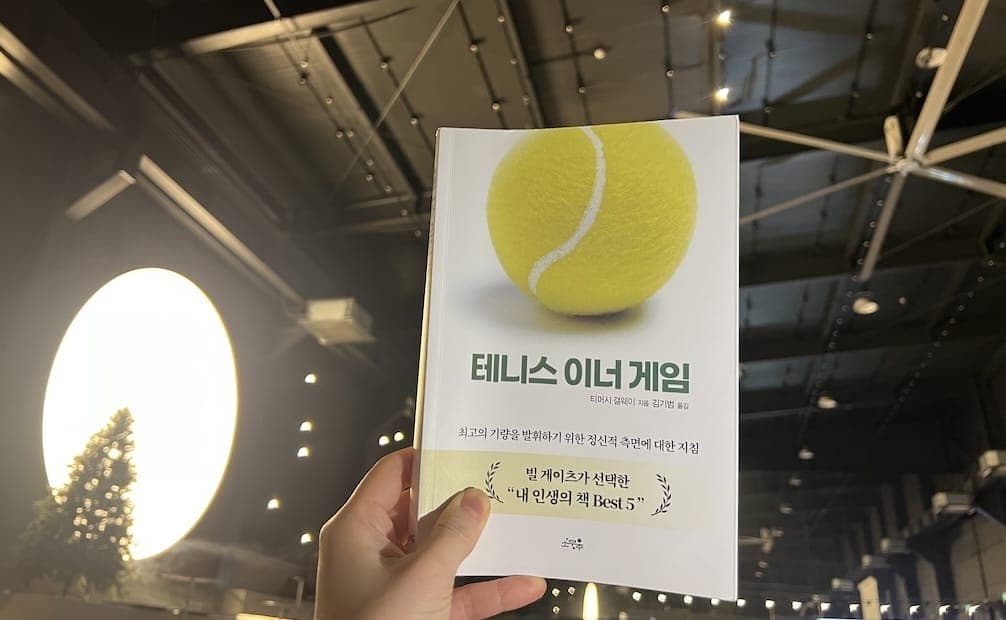 Book
BookAs I've been getting more into tennis lately, the book <The Inner Game of Tennis> that I read about two and a half years ago came back to mind. When I first read it, I didn't know much about tennis, so I felt like I only understood about 30% of its message. Even so, the book's message about "relaxed concentration" was helpful for life in general — and with renewed passion for tennis, I was curious how differently it would resonate the second time.