 Book
Book7 min read
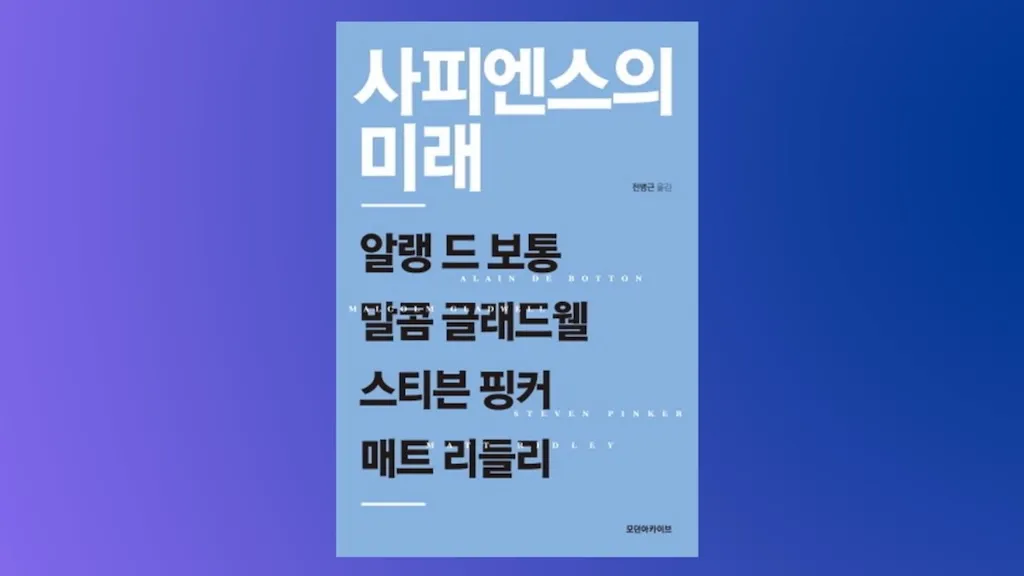
Thoughts on <DO HUMANKIND'S BEST DAYS LIE AHEAD>
amid these days so full of AI-driven FOMO, to consider what kind of future for humankind we ourselves hope for.
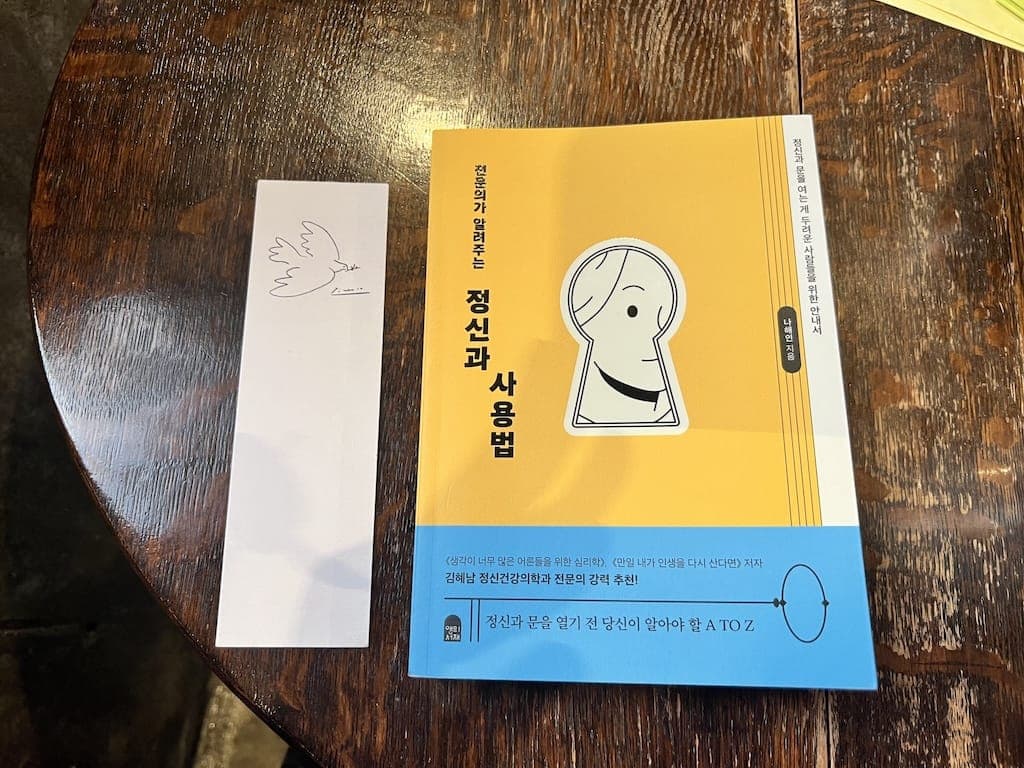
Early this year, an acquaintance sent me a KakaoTalk message out of the blue. It was the first time they'd reached out directly, and they said they had good news to share — which made the message feel even more welcome. It turned out that this person, a psychiatrist, had published a book they'd written themselves. I hadn't even known they were working on a book, and seeing it show up in a bookstore search was genuinely impressive — and motivating for me.
But the excitement of that news faded quickly, as my busy everyday life had me perpetually thinking "I should buy that book when I get a chance" — and before I knew it, almost the entire year had passed. By coincidence, we ended up meeting over a matter involving a mutual acquaintance, and the moment that reminded me of "I need to read this book" on my mental to-do list, I immediately went and bought it.
The most helpful thing I got from reading this book was realizing that I, too, had been keeping psychiatry at quite an emotional distance. In the past, when I was going through something too hard to bear alone, on the recommendation of a younger sibling who was pursuing a graduate degree in psychology, I sought counseling from a licensed psychological counselor. During those sessions, I was able to identify my own emotional triggers and defense mechanisms — things I hadn't been aware of — together with the counselor. More than anything, I gained a great sense of achievement and stability from realizing that I had actually managed to get through some very difficult situations, and that I was someone who cared enough about myself to seek counseling. So I had positive experiences and beliefs about psychological counseling, and I think I just assumed I already understood psychiatry well too. But reading this book, I realized that psychiatry is far more scientific and uses more evidence-based treatments than I had thought, and I came to see it as a place where I can seek help if I need it.
In this review, unlike with other books, I won't be leaving excerpts from the content itself. Instead, I've listed only the table of contents below. My reason: I'd like readers to look through it, and if something sparks their curiosity or they want to know more about a topic, to go ahead and read the book directly. In doing so, I hope more people will benefit from this book as a guide — the way I found myself feeling closer to psychiatry through it.
Table of Contents
A. Everything You're Getting Wrong About Psychiatry
B. Psychiatry Deals with These Matters of the Mind
C. That Said, Don't Go Just Anywhere — Choose Wisely!
D. Knock Knock — A to Z for Those Who've Opened Psychiatry's Door
In the book's prologue, the author writes that as a psychiatrist, even listening carefully to patients' stories takes up more time than a consultation allows — leaving no time to explain psychiatric treatment itself. As an alternative, they wrote this book with the hope that people could use it as an accessible reference for "how to use psychiatry" even outside the clinic.
When we get the flu, we immediately go to the hospital, get a diagnosis, fill the prescription, take the medication faithfully, resolve not to get the flu again, and work to build our resilience. We pay close attention to our physical health and respond actively — but it struck me anew just how comparably little knowledge and attention we give to our minds, mental health, and brains.
Through this book, I've come to pay more attention to my own mind and brain going forward, and in that sense this book has been genuinely valuable and a meaningful opportunity for me. I hope it continues to be a helpful resource for more and more people.
Bookamid these days so full of AI-driven FOMO, to consider what kind of future for humankind we ourselves hope for.
 Book
Book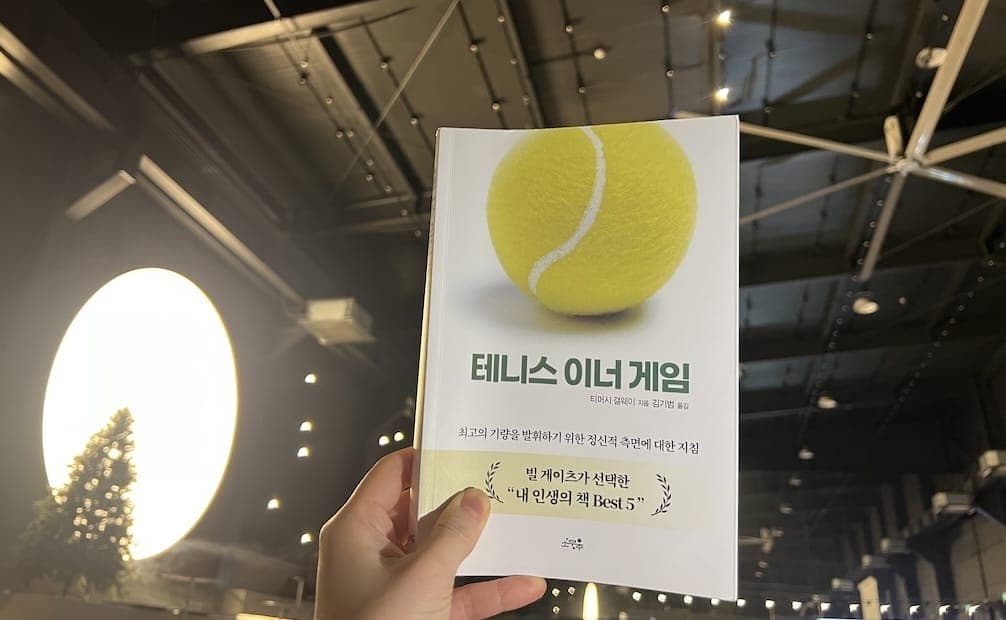 Book
BookAs I've been getting more into tennis lately, the book <The Inner Game of Tennis> that I read about two and a half years ago came back to mind. When I first read it, I didn't know much about tennis, so I felt like I only understood about 30% of its message. Even so, the book's message about "relaxed concentration" was helpful for life in general — and with renewed passion for tennis, I was curious how differently it would resonate the second time.