 Book
Book7 min read
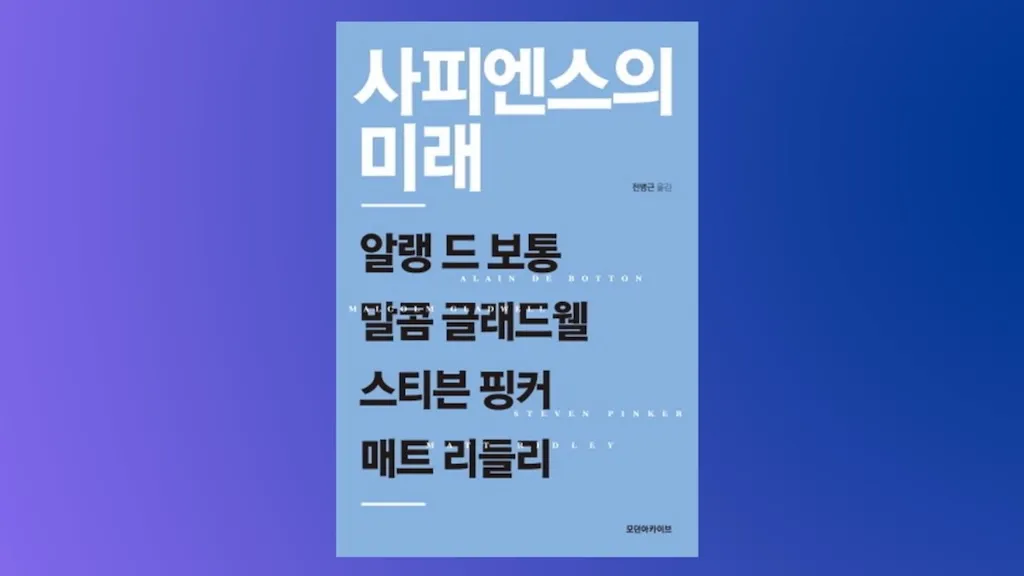
Thoughts on <DO HUMANKIND'S BEST DAYS LIE AHEAD>
amid these days so full of AI-driven FOMO, to consider what kind of future for humankind we ourselves hope for.
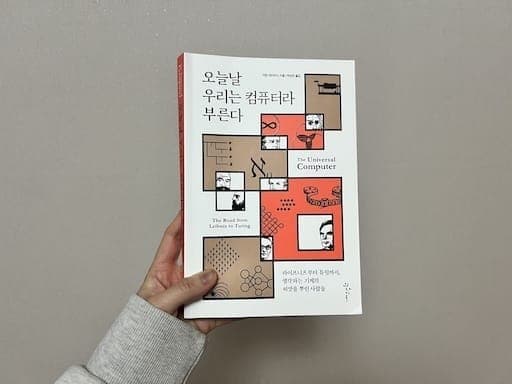
A channel I deeply respect recommended this book, so I bought and read it directly — my first time doing that in a while. The recommendation came with a note that anyone interested in computers, artificial intelligence, and mathematics would find it fascinating — so I had high expectations. But honestly, I don't think I properly understood even 50% of the content.
As the title suggests, this is a book that explores the past — the ideas of which geniuses gave rise to what we today call a "computer." While reading, I found myself dozing off when confronted with difficult concepts like logical systems, transcendental numbers, and infinity. Even so, now that I've closed the book, I feel something I didn't before: that what we call a "computer" is more meaningful as software than as hardware. Put another way, a computer feels less significant as a physical "object" you can see in front of you, and more meaningful as an "existence" that came to be because of what certain geniuses of the past were pursuing.
I didn't understand everything — but I've done my best to summarize below the key ideas of the geniuses highlighted in the book and how they each contributed to the concept of the computer.
The book unfolds the thoughts and lives of these geniuses in the following order:
Leibniz → Boole → Frege → Cantor → Hilbert → Gödel → Turing
Through this progression, the book tells us that the computer we know today wasn't created by any one person who decided "I'm going to build a computer" — rather, it's an idea that emerged at the end of a long development of philosophy and mathematics. Here's a concise summary of each figure's leading thought and contribution:
Writing it out this way, the roots of each genius's ideas seem to faintly connect — showing how they built on each other to become the computer of today. Compared to before, when I only knew their names, this feels like a significant step forward. Personally, after reading this book, I want to re-watch the film . When I watched it before, all I could think was how much I loved Benedict Cumberbatch — but this time, I think I'll be able to enjoy a deeper layer of connecting what I've read here about Turing as a human being to what I see on screen.
If there were a few keywords in this post that caught your attention, reading this book during a long holiday might be a good recommendation.
Bookamid these days so full of AI-driven FOMO, to consider what kind of future for humankind we ourselves hope for.
 Book
Book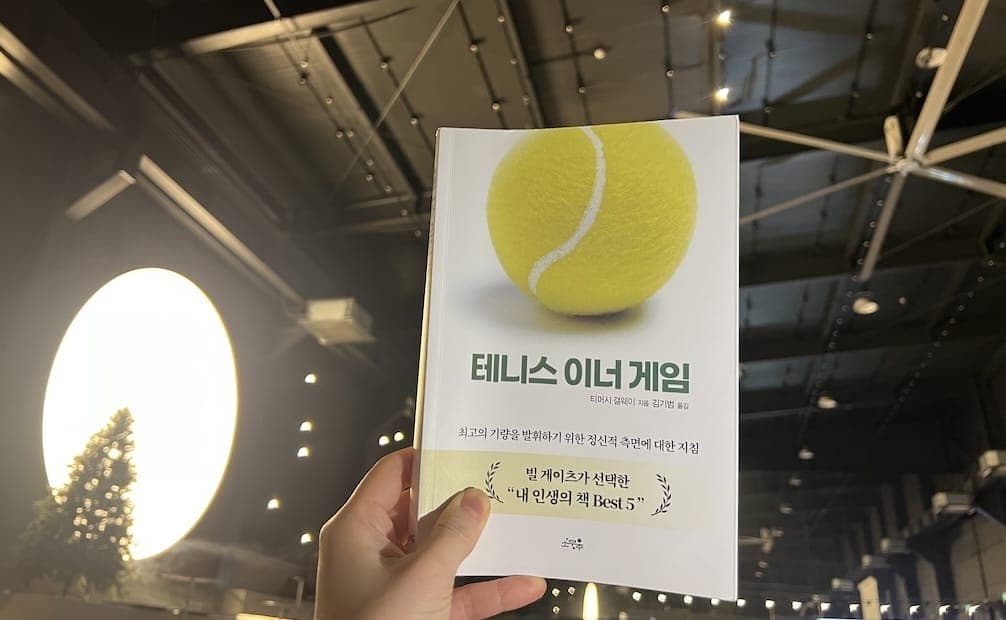 Book
BookAs I've been getting more into tennis lately, the book <The Inner Game of Tennis> that I read about two and a half years ago came back to mind. When I first read it, I didn't know much about tennis, so I felt like I only understood about 30% of its message. Even so, the book's message about "relaxed concentration" was helpful for life in general — and with renewed passion for tennis, I was curious how differently it would resonate the second time.