 Book
Book7 min read
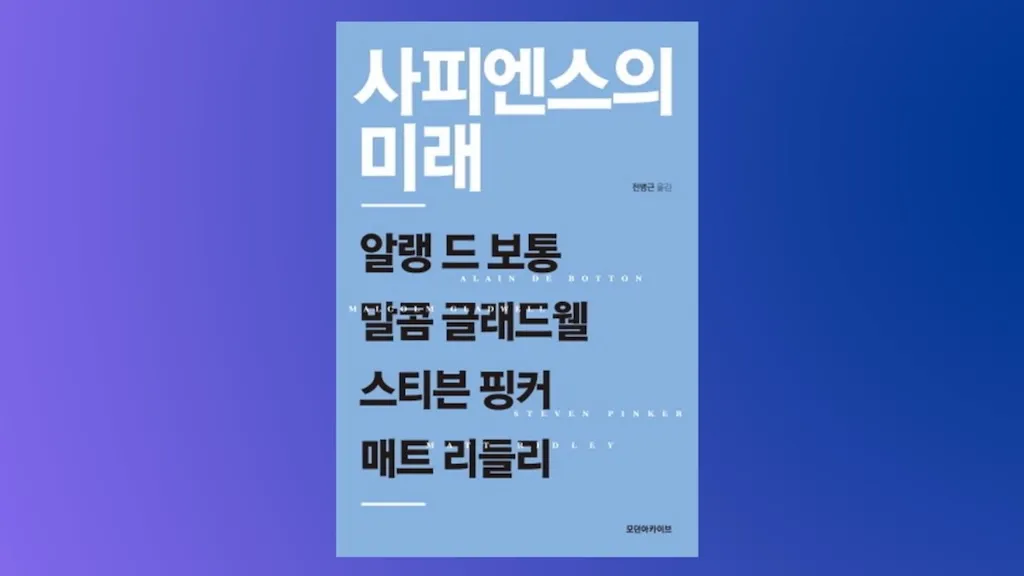
Thoughts on <DO HUMANKIND'S BEST DAYS LIE AHEAD>
amid these days so full of AI-driven FOMO, to consider what kind of future for humankind we ourselves hope for.
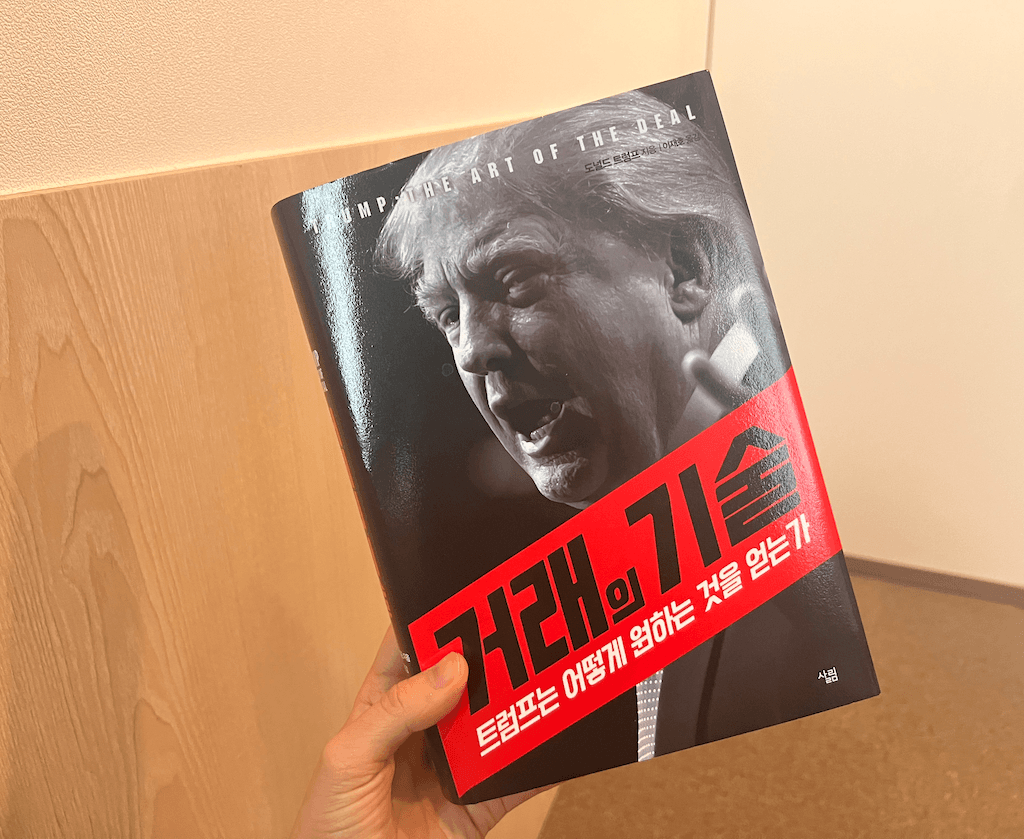
Even before the results of this US presidential election came out, I thought it was hard for a Korean to accurately gauge how it would go. Still, I kept an eye on it — and seeing such a stark difference between what traditional media reported and what was being said on social media, I started wondering which sources I could actually trust. When Trump won, I decided that rather than piecing together information fragments released through the media, I needed to understand what kind of person Trump is through a book written long before — and in his own words. So I went to a bookstore and found , which Trump wrote himself in 1987 and which has been well-known for quite a long time — and it seemed like the most fitting choice.
The book briefly covers Trump's childhood, then tells the story of how he left his father's housing business in Queens and Brooklyn, New York, and built his own major real estate empire in Manhattan. One distinctive section is a day-by-day account of how he spent his time Monday through Friday while writing the book — and even if you take his claim of making 50 to 100 calls a day as an exaggeration, it's easy to imagine him constantly attached to the phone. The occasional mentions of Mar-a-Lago, Ivana, and family gatherings are also enjoyable.
Despite this being an autobiography, I found myself underlining a remarkable number of passages — to revisit later, either to glimpse Trump's character or because a point struck me as something to keep in mind when making deals. Let me record a few of them here.
From the moment I went looking for this book, my purpose was to find the one that would give me the closest view possible to the essence of who Trump is as a person. This book fulfills that purpose. As a secondary observation: looking at the translator's foreword written for the 2016 revised edition, it was written right in the middle of the election between Trump and Clinton. Alongside Trump's 2024 re-election, it feels like a striking mirror image — as if eight years haven't passed at all. Even then, the translator noted that while the American mainstream supported Clinton, Trump's momentum couldn't be dismissed. Watching these things repeat, I'm once again reminded: the future should never be predicted lightly.
What was valuable about this book is that it reveals Trump purely as a businessman. Since he wrote it himself, there's not a word about the scandals surrounding him. In that sense, reading it was useful for understanding how Trump defines himself. The image I now have in my head is of a man who sees politics as one more big game to play and enjoy — a born competitor who will use any means necessary to achieve his goals, and who knows what the best people want and how to motivate them. Now that I understand more about what he's achieved, I think I'll be better able to imagine — more specifically — how his personality and experience are woven into the background of his future decisions. For anyone who wants to observe the next four years of Trump's leadership with a somewhat deeper understanding of the man himself, I'd recommend this book.
Bookamid these days so full of AI-driven FOMO, to consider what kind of future for humankind we ourselves hope for.
 Book
Book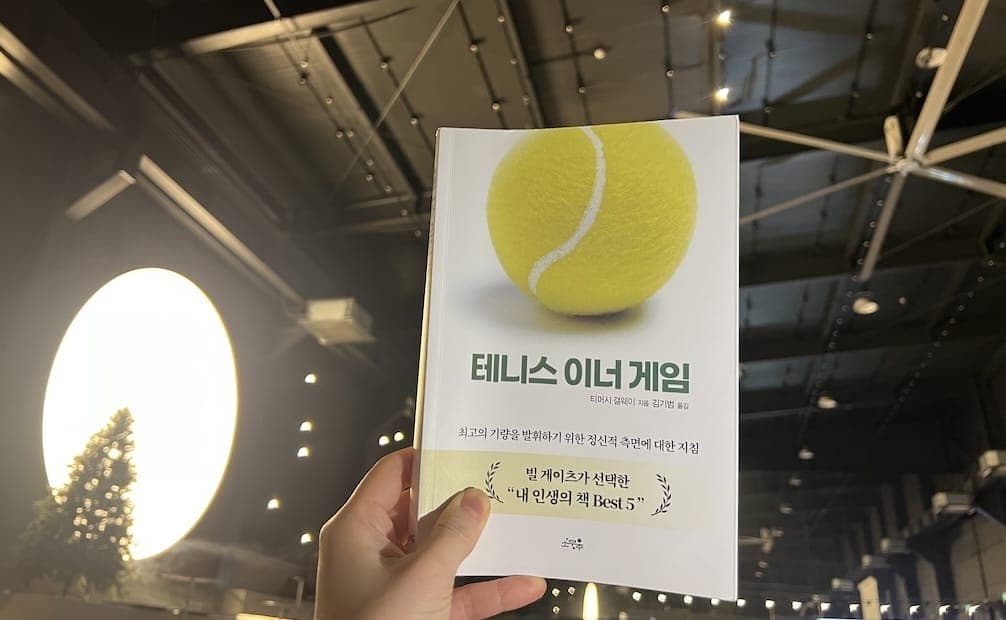 Book
BookAs I've been getting more into tennis lately, the book <The Inner Game of Tennis> that I read about two and a half years ago came back to mind. When I first read it, I didn't know much about tennis, so I felt like I only understood about 30% of its message. Even so, the book's message about "relaxed concentration" was helpful for life in general — and with renewed passion for tennis, I was curious how differently it would resonate the second time.