 Book
Book7 min read
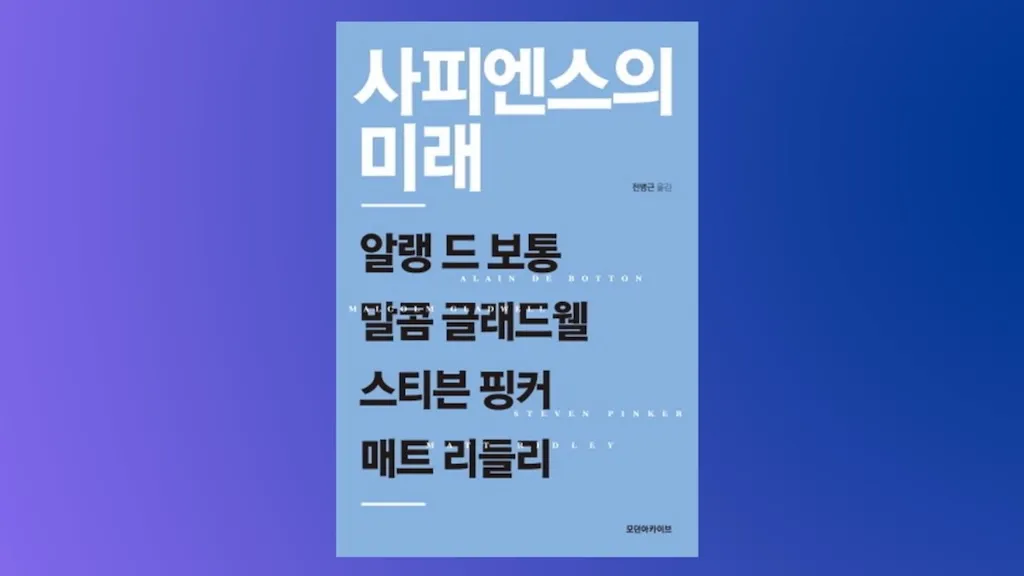
Thoughts on <DO HUMANKIND'S BEST DAYS LIE AHEAD>
amid these days so full of AI-driven FOMO, to consider what kind of future for humankind we ourselves hope for.
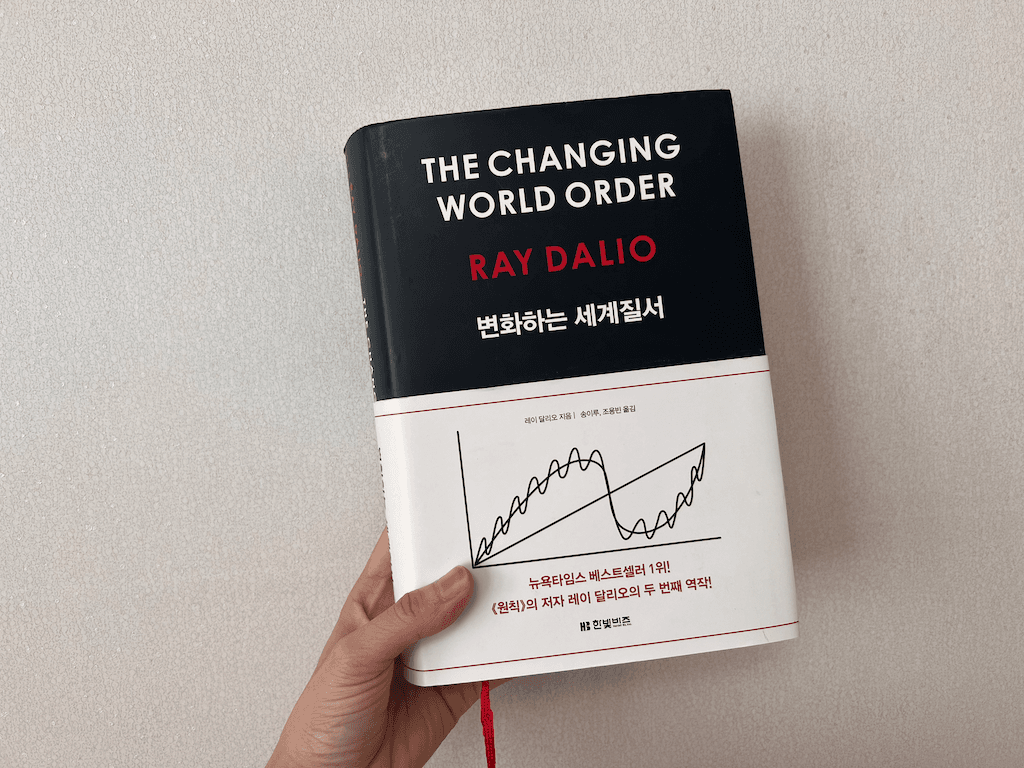
I first encountered Ray Dalio's The Changing World Order through an animated video on YouTube a few years ago. I was amazed that 500 years of history could be condensed so easily and engagingly, and felt enormous respect for the author who could produce such content. As my interest — and honestly, worry — about international affairs, exchange rates, and economic conditions has grown recently, I decided I needed to read the book.
I prefer to start with a book's table of contents. The TOC gives you an immediate sense of what the book is most fundamentally trying to say — and the clearer the table of contents, the more I tend to gain from reading. This book's structure is:
Part 1: How the World Works
Part 2: How the World Has Worked Over the Past 500 Years
- 1600s: The Rise and Decline of the Dutch Empire and the Guilder
- 1800s: The Rise and Decline of the British Empire and the Pound
- 1900s: The Rise and Decline of America and the Dollar
- 2000s: The Rise of China and the Yuan
- Present: The US-China Relationship and War
Part 3: The Future
The story of the Dutch Empire in the 1600s and the European great powers of that era was new and fascinating to me. The Netherlands is smaller than Korea in population and land area — yet it was a great power. That suggests the competitive edge that allows a country to seize hegemony doesn't come from size alone.
The most important message Dalio wants to convey is the pattern that has driven changes in world order. He identifies and explains the five factors that determine the Big Cycle (new order → rise → peak → decline → new order). The five determinants and the most useful messages I drew from each:
The pattern is like a fractal — zoom in or out and the same principles apply. That's what makes it so useful. The fact that patterns in managing personal wealth (micro) and global affairs (macro) are so similar was a meaningful lesson for me. In particular, the insight that building wealth means improving productivity — not creating currency or assets — was a great lesson. It motivated me to approach "wealth" through this lens and ask how much my personal productivity is actually growing.
At the end of the book, the author shares metrics for diagnosing the US-China relationship and national financial health, hoping readers will build their own frameworks. Watching Dalio make decisions through patterns and data is personally very inspiring. It makes me realize the importance of having your own independent metrics for making good decisions — not just about economics, but across many areas of life.
Finally: I highly recommend this book to anyone who wants to see the world from a perspective that spans beyond a century. It also gives you the power to interpret the many changes ahead more independently — something that left me feeling genuinely proud after finishing it. The book gives you a lot to think about when you apply its framework to your own country and current international affairs. Highly recommended for anyone with an interest or stake in these topics.
Bookamid these days so full of AI-driven FOMO, to consider what kind of future for humankind we ourselves hope for.
 Book
Book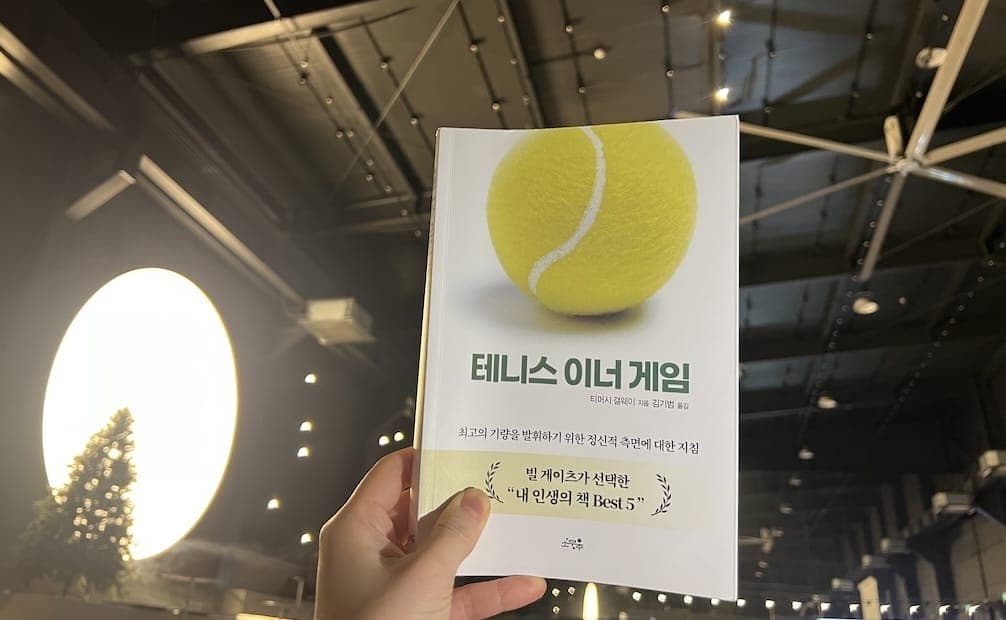 Book
BookAs I've been getting more into tennis lately, the book <The Inner Game of Tennis> that I read about two and a half years ago came back to mind. When I first read it, I didn't know much about tennis, so I felt like I only understood about 30% of its message. Even so, the book's message about "relaxed concentration" was helpful for life in general — and with renewed passion for tennis, I was curious how differently it would resonate the second time.