 Book
Book7 min read
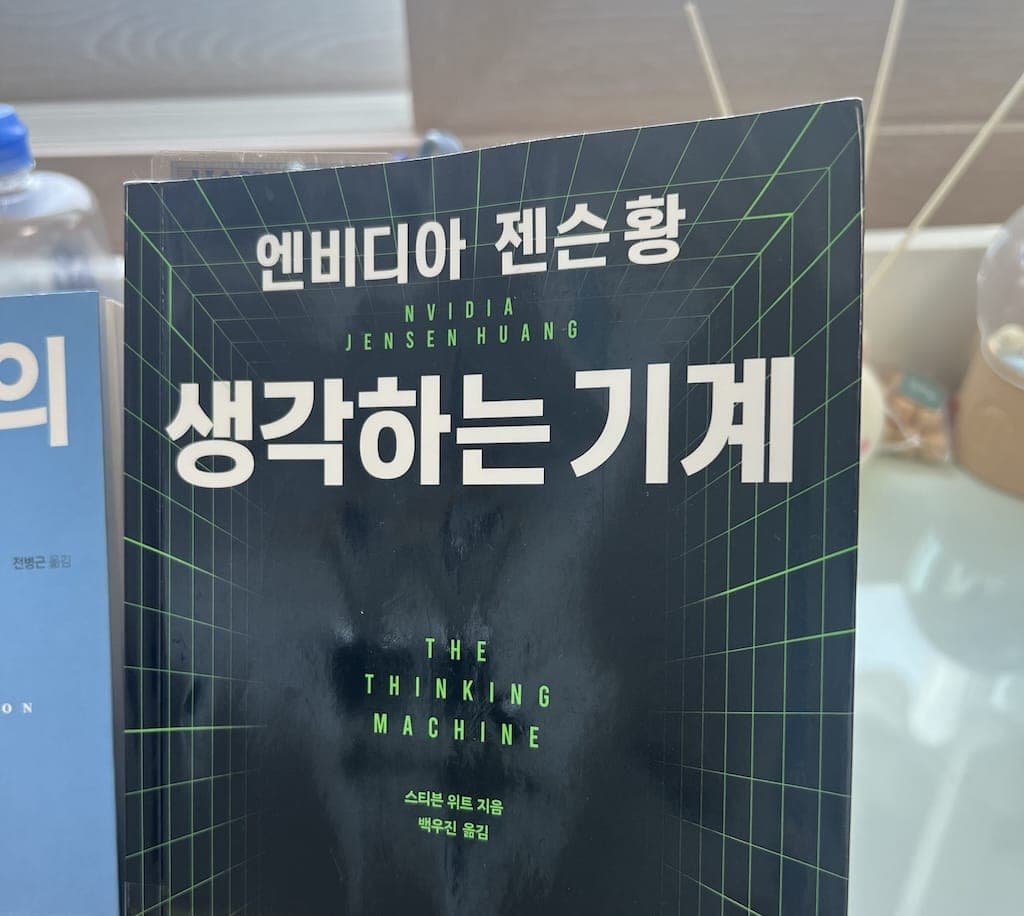
Thoughts on <DO HUMANKIND'S BEST DAYS LIE AHEAD>
amid these days so full of AI-driven FOMO, to consider what kind of future for humankind we ourselves hope for.
Having heard from many sources that intermittent fasting helps improve physical condition, I started skipping breakfast entirely in September. Since childhood, my parents' philosophy of "you must eat a hearty breakfast" had made breakfast feel mandatory. But once I dropped it, I found I had a bit more morning time and the psychological pressure of needing to eat something disappeared — I felt lighter in multiple ways. Because I hadn't started with a specific goal in mind, I didn't feel dramatic changes. But one thing I noticed clearly was that I never once felt the urge to nap after lunch in the afternoon. That felt significant enough that I came to believe intermittent fasting was a better routine than not.
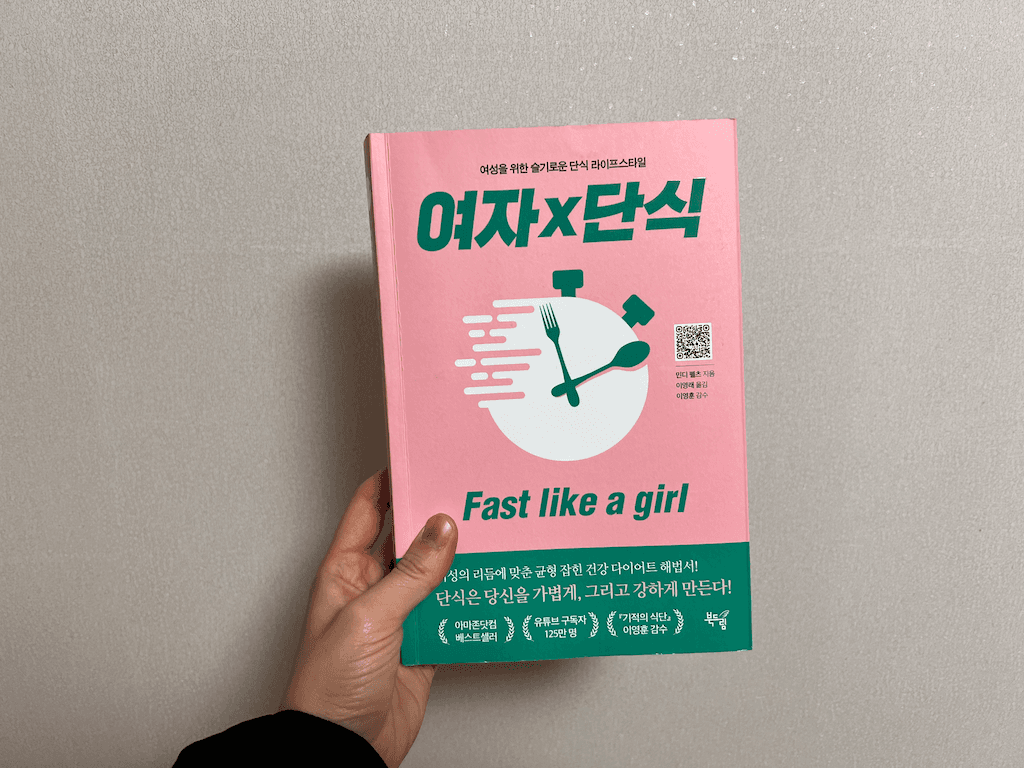
While sharing this update with a friend, I heard that women, due to their more complex hormonal systems, actually benefit more from a slightly different approach to fasting. That made sense when I thought about it, so I bought the recommended book Fast Like a Girl and read it right away.
This book begins from the fact that women have a cycle of three major sex hormones — estrogen, progesterone, and testosterone — and therefore need to fast differently. The book first explains the types of fasting and why fasting matters, then explains how women's bodies differ, centered on hormones. It then introduces two dietary types and presents a 30-day fasting plan aligned with the menstrual cycle. I've summarized a few key ideas below.
I found it interesting that fasting can be categorized by effect.
This is what makes this book special. Unlike women, men's hormones are much simpler — testosterone, the primary male hormone, follows a 24-hour cycle that moves in and out of the body every 15 minutes. That's why when men and women fast identically, men often see benefits while women experience side effects. I mapped out the hormonal system in diagrams below.
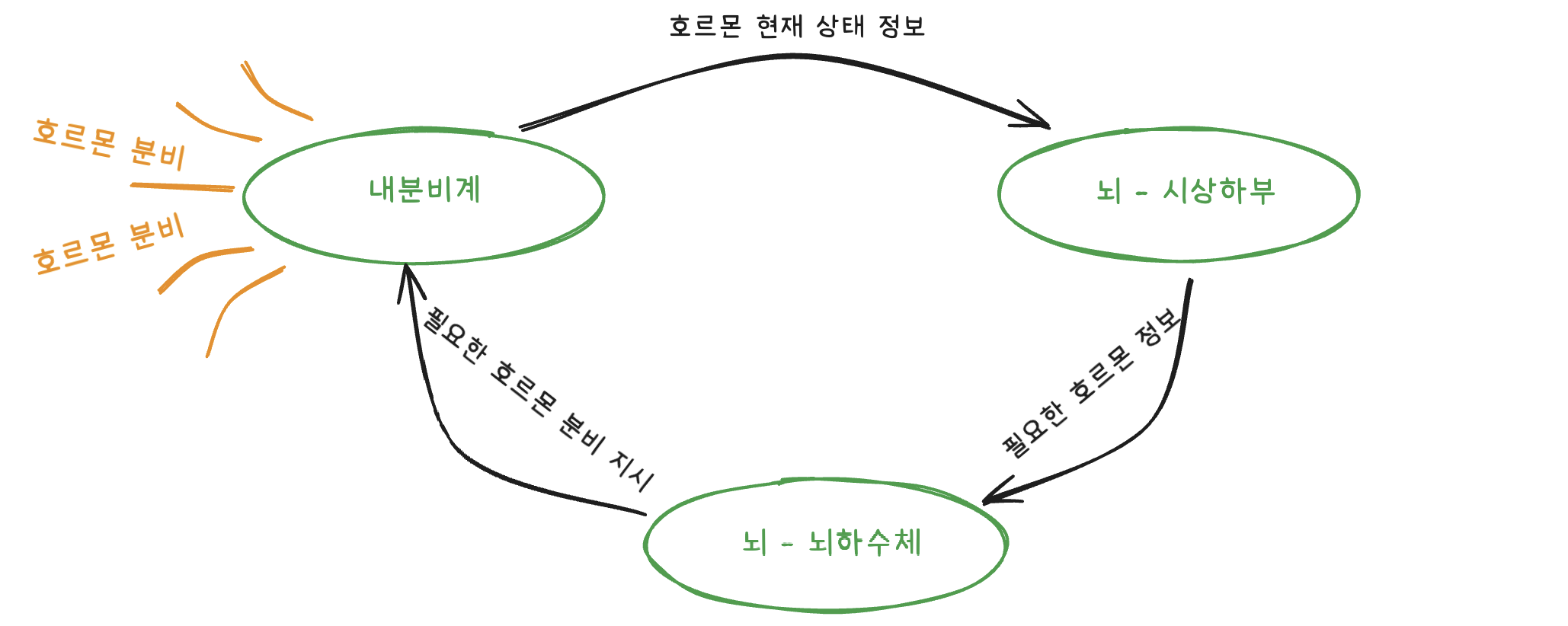
Hormone secretion system
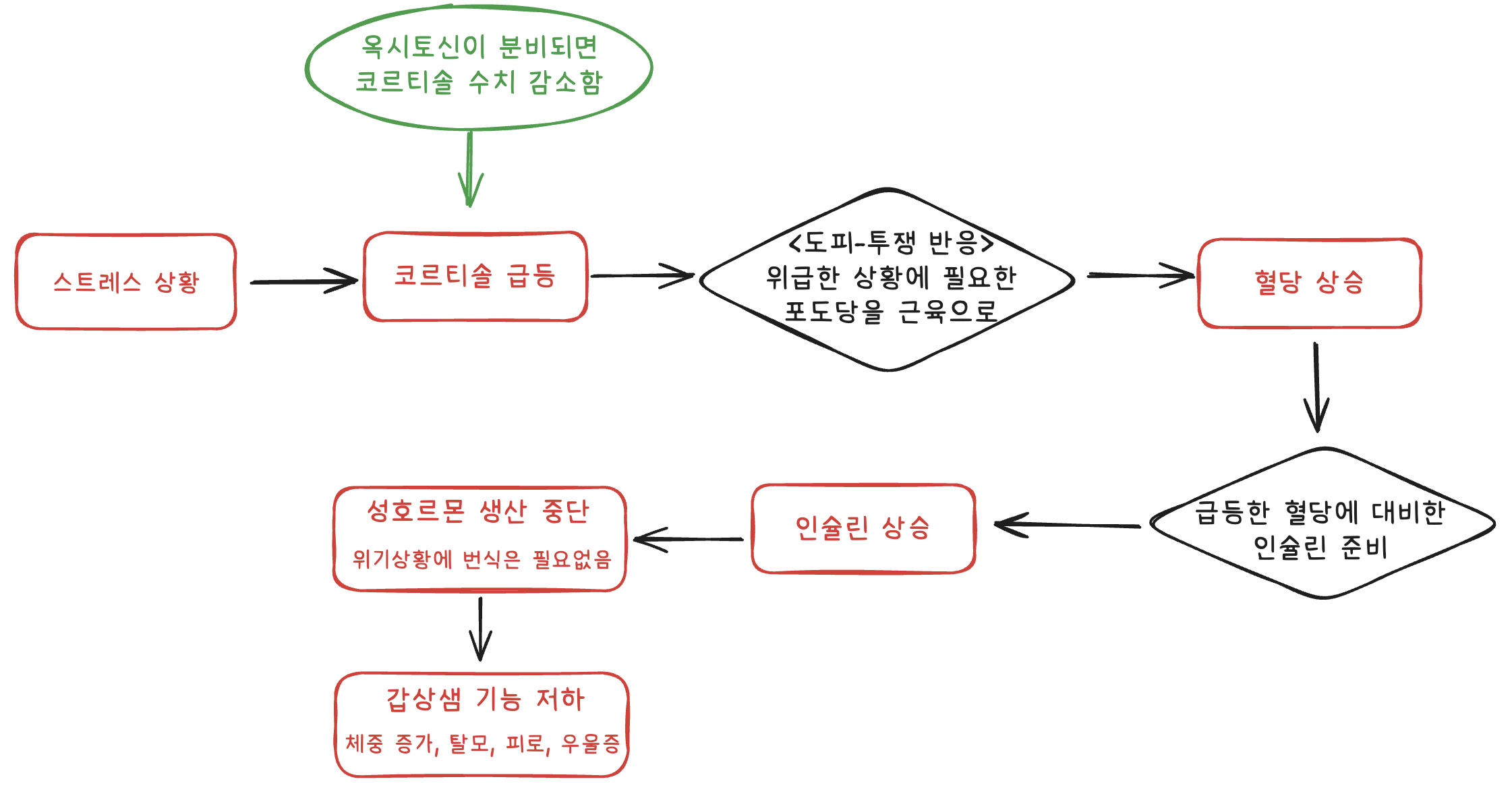
Why stress is the root of all illness...
The book provides beginner and advanced 30-day fasting reset plans with day-by-day fasting types. Since I've been doing intermittent fasting, I mapped out the advanced plan below to suit my own cycle. I'm currently on day 9 — I want to go through a full month, a full cycle, and then check whether it suits my body.
I've summarized a few key points above, but if you want to fully understand and put the content into practice, I recommend reading the book directly. The appendix includes Q&A on fasting and multiple recommended recipes for each dietary type. It's been nearly a week since I read it, and so far I'm still making an effort to watch what I eat and vary my fasting each day according to the plan. I hope it doesn't become a three-day wonder — I want to find the rhythm that puts my condition at its peak. Starting the new year with my own fasting routine feels like it could make for an especially energetic year ahead. If I genuinely feel the benefit, I'd also love to build a service that makes maintaining such a routine consistently easier. A motivating book on multiple levels 😉
Bookamid these days so full of AI-driven FOMO, to consider what kind of future for humankind we ourselves hope for.
 Book
Book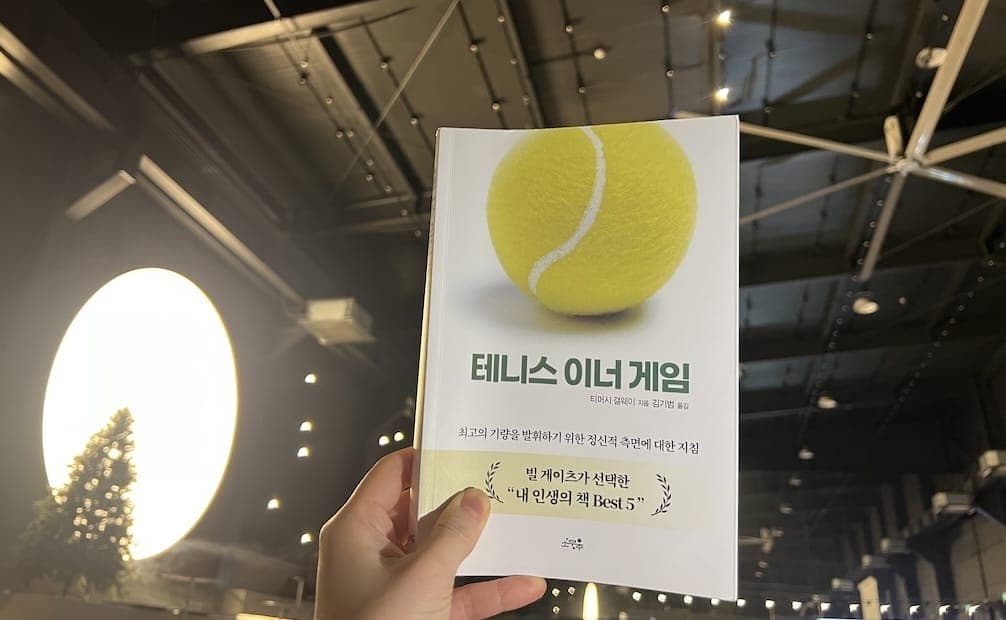 Book
BookAs I've been getting more into tennis lately, the book <The Inner Game of Tennis> that I read about two and a half years ago came back to mind. When I first read it, I didn't know much about tennis, so I felt like I only understood about 30% of its message. Even so, the book's message about "relaxed concentration" was helpful for life in general — and with renewed passion for tennis, I was curious how differently it would resonate the second time.